No products in the cart.
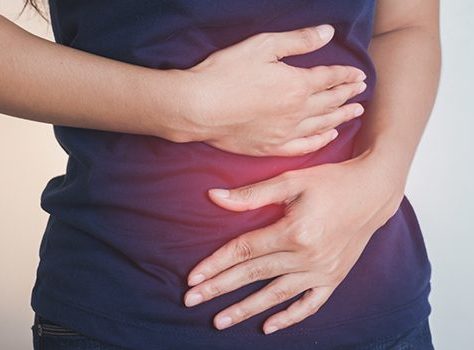
That tight, full, “I-need-to-unbutton-my-pants” feeling is one of the most common digestive complaints there is bloating affects a large share of adults at some point in any given week. The good news: for most people, bloating is uncomfortable but harmless, and it usually responds well to a handful of simple, evidence-backed habits.
Below, you’ll find fast ways to ease bloating when it hits, longer-term dietary and lifestyle changes that prevent it from coming back, the foods most likely to trigger it, and the warning signs that mean it’s time to talk to a doctor instead of trying another home remedy.
This article is for general information and isn’t a substitute for medical advice. If bloating is frequent, severe, or comes with other symptoms, see the “When to See a Doctor” section below.
What Causes Bloating?
Bloating happens when gas, fluid, or (less often) solid matter builds up in your digestive tract, causing that stretched, swollen feeling. The most common contributors include:
- Swallowed air — from eating or talking too fast, carbonated drinks, chewing gum, or drinking through a straw.
- Gas from digestion — certain carbohydrates (beans, cruciferous vegetables, some fruits) are fermented by gut bacteria in the colon, which produces gas as a normal byproduct.
- Food intolerances — lactose or fructose intolerance are common culprits, since undigested sugars pull water into the gut and ferment.
- Eating habits — large meals, eating too quickly, or eating late at night can all overwhelm digestion temporarily.
- Hormonal changes — many people notice more bloating around their menstrual cycle or during perimenopause.
- Underlying conditions — irritable bowel syndrome (IBS), small intestinal bacterial overgrowth (SIBO), celiac disease, and constipation can all cause chronic bloating.
Fast Ways to Reduce Bloating (Right Now)
When you need relief quickly, these tend to work within minutes to an hour:
- Go for a short walk. Even 10–15 minutes of light movement stimulates the muscles in your digestive tract and helps trapped gas move along.
- Try diaphragmatic (belly) breathing. Slow, deep breaths from the diaphragm rather than shallow chest breathing help activate the “rest and digest” nervous system, which supports digestion.
- Apply gentle heat. A warm compress or heating pad on your abdomen for 10–15 minutes can relax tense muscles and ease cramping.
- Sip warm herbal tea. Peppermint, ginger, and chamomile teas are commonly used to relax digestive muscles and calm spasms.
- Massage your abdomen. A gentle, clockwise circular massage can help move trapped gas through the intestines.
- Avoid carbonated drinks and straws for the next few hours, since both introduce extra air into your gut.
Longer-Term Habits That Prevent Bloating
Fast fixes help in the moment, but these habits reduce how often bloating happens in the first place:
- Eat slowly and chew thoroughly. Rushing through meals means swallowing more air and giving your stomach larger pieces of food to break down.
- Eat smaller, more frequent meals rather than a few very large ones.
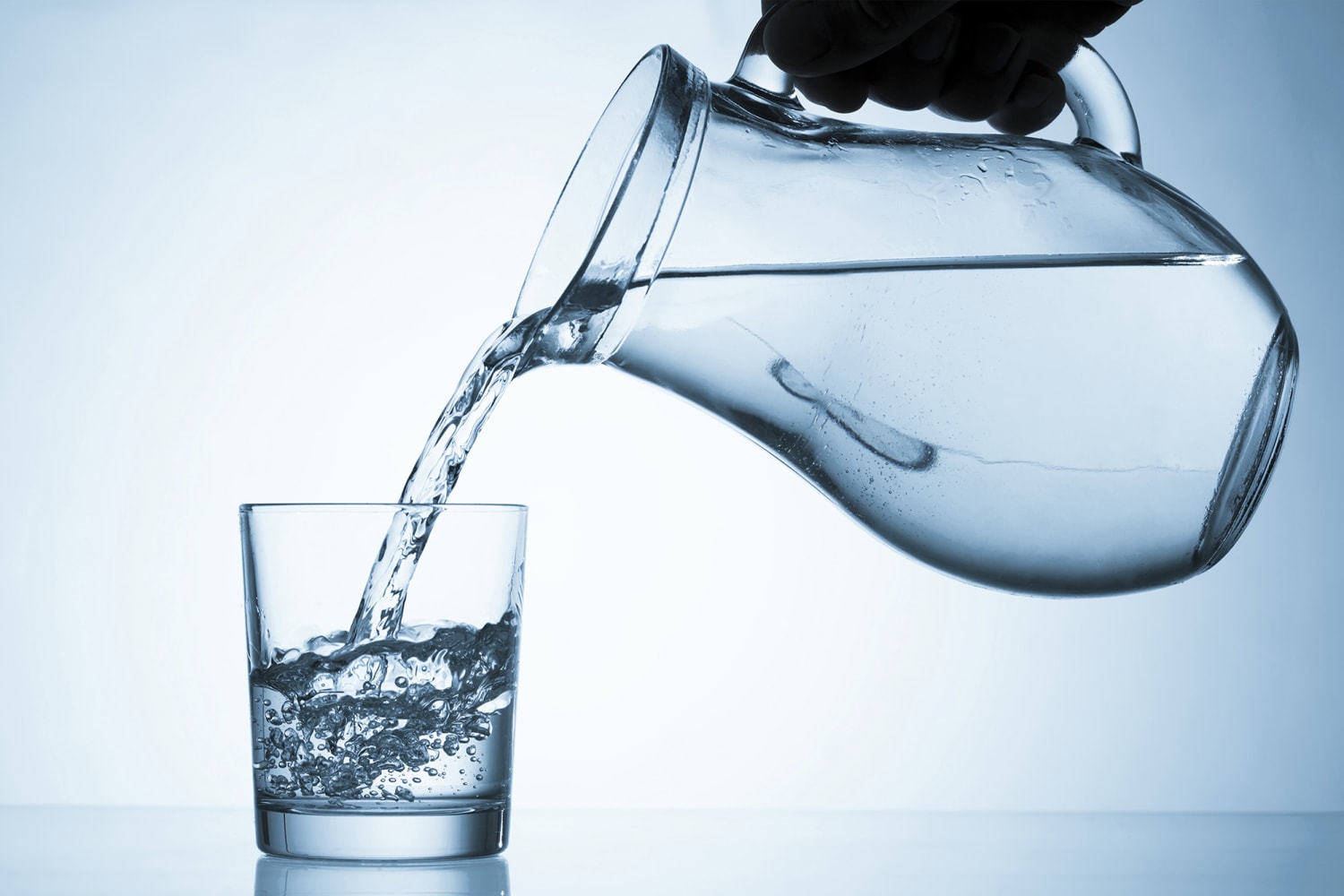
- Stay hydrated throughout the day, not just with meals adequate water intake helps keep digestion moving and reduces constipation-related bloating.
- Get regular movement. Aim for roughly 150 minutes of moderate activity a week; it supports overall gut motility, not just in-the-moment relief.
- Support your gut bacteria. A quality probiotic can help maintain a healthy balance of gut flora, which plays a role in how much gas is produced during digestion. (Even kids can benefit — there’s a probiotic formulated for children as well.)
- Keep a food and symptom diary. Tracking what you eat alongside when bloating shows up is one of the most effective ways to identify your personal trigger foods, according to Harvard Health.
Foods That Can Trigger Bloating
You don’t need to eliminate these foods many are nutritious but if bloating is a regular issue, it’s worth noticing how your body responds to:
- Beans and lentils (raffinose, a hard-to-digest carbohydrate)
- Cruciferous vegetables like broccoli, cabbage, and cauliflower
- Dairy products, if you’re lactose intolerant
- Carbonated drinks and sparkling water
- Sugar-free gum and candy (sugar alcohols like sorbitol and xylitol are common offenders)
- Excess sodium, which contributes to water retention and a swollen feeling
If several of these consistently line up with your symptoms, a temporary elimination approach — or a structured low-FODMAP diet under the guidance of a dietitian — can help pinpoint the cause.
Foods That May Help Ease Bloating
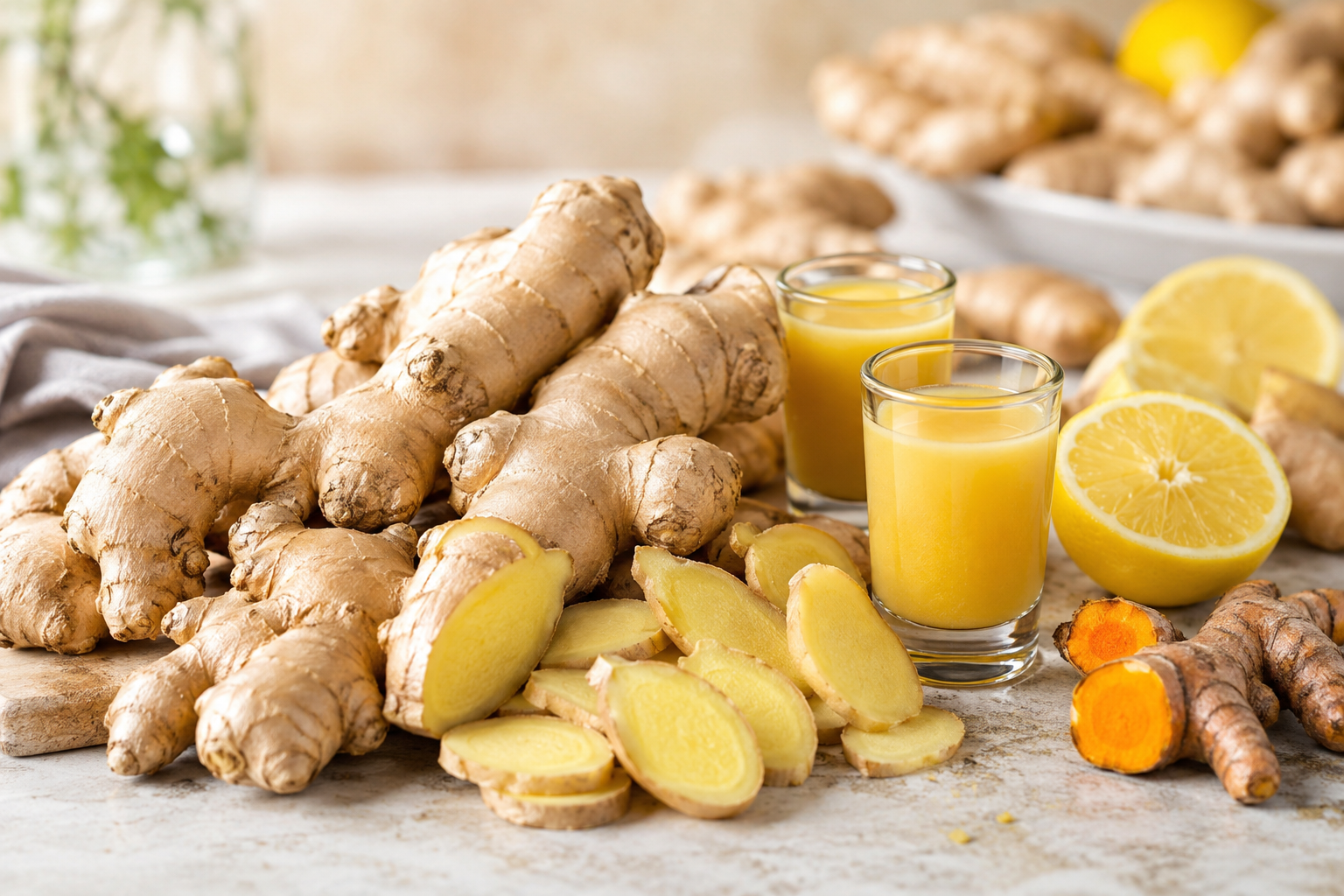
- Ginger — commonly used to support digestion and calm an upset stomach; a ginger shot is an easy way to work it into your routine.
- Peppermint — a natural antispasmodic that may help relax digestive muscles (avoid if you have GERD, as peppermint can worsen reflux).
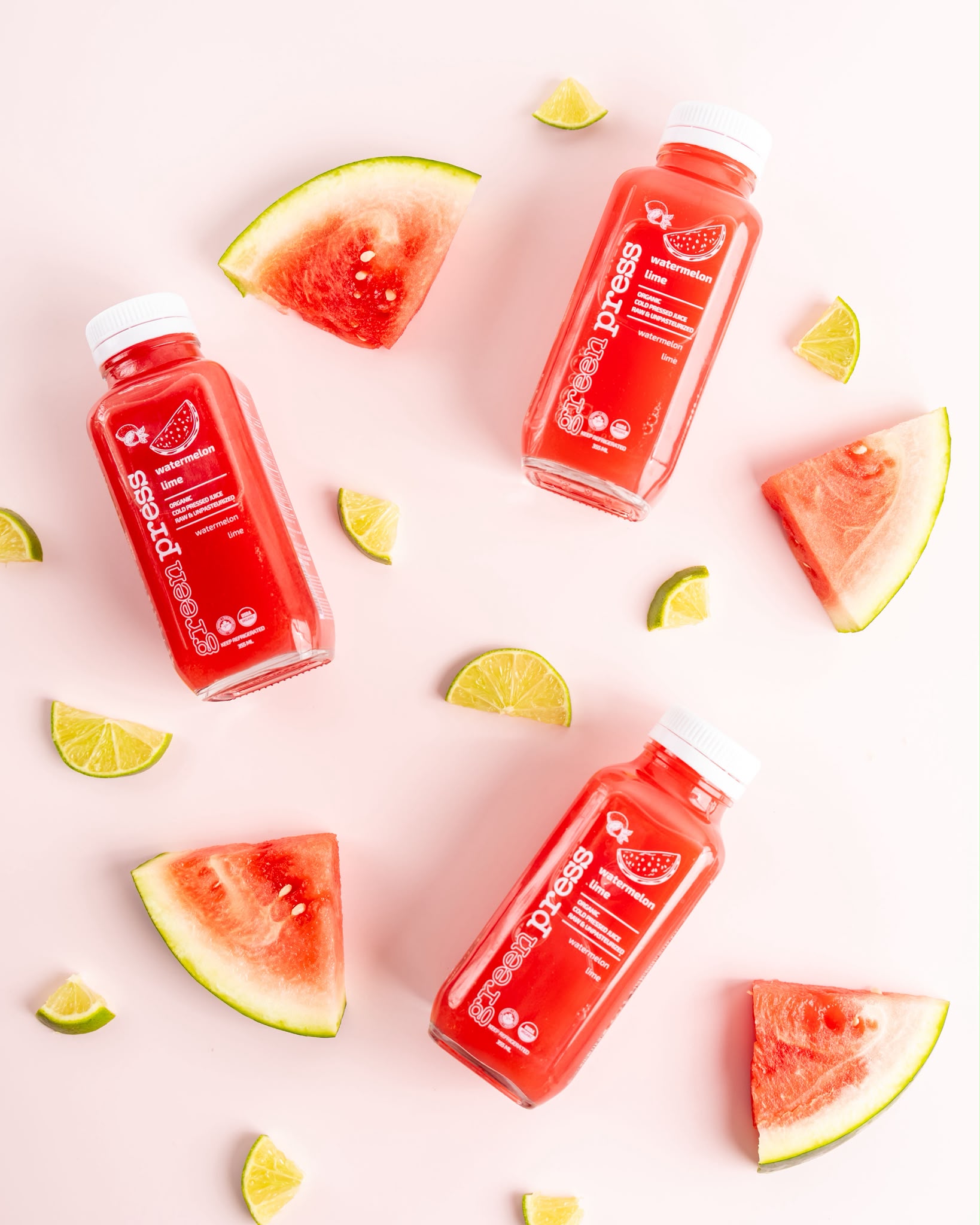
- Cucumber and watermelon — high water content, gentle on digestion.
- Bananas — potassium content may help balance sodium levels and reduce water retention.
- Fennel seeds — traditionally used as a digestive aid after meals.
- Yogurt and other fermented foods — natural sources of probiotics that support gut bacteria balance.
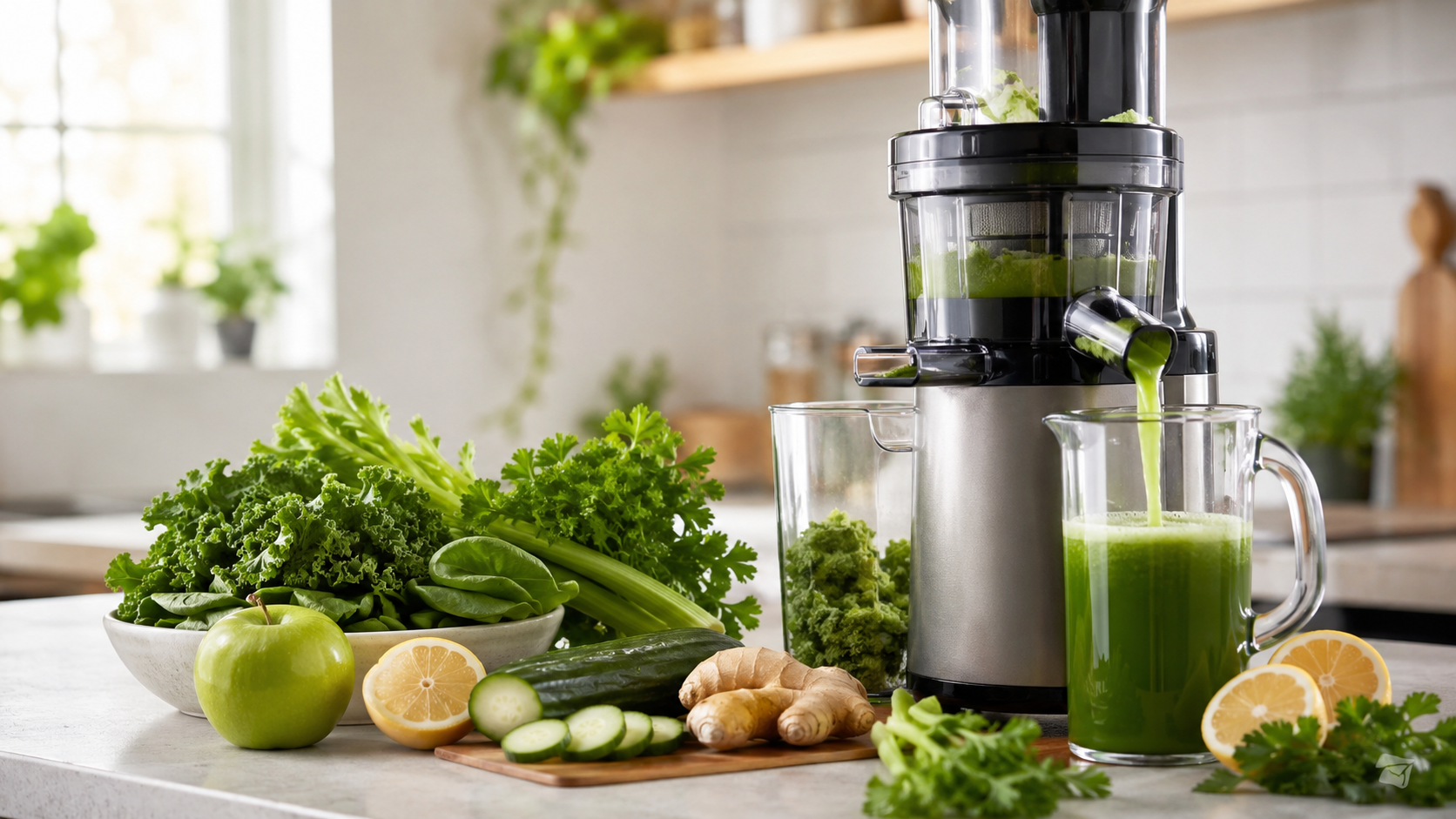
If you’re looking to build more of these into your day without extra effort, a juice cleanse that leans on hydrating, low-fermentable produce can be a convenient reset just listen to your body, since very high volumes of fruit or vegetable juice can themselves cause bloating in some people if introduced too quickly.
When to See a Doctor
Occasional bloating after a big meal is normal and usually resolves on its own. But it’s worth checking in with a healthcare provider if you experience:
- Bloating that is frequent, severe, or steadily getting worse
- Bloating paired with unintentional weight loss
- Blood in your stool, or black/tarry stool
- Persistent vomiting or inability to pass gas or stool
- Fever alongside abdominal swelling
- Sudden, severe abdominal pain
These can be signs of an underlying condition such as IBS, SIBO, celiac disease, or in rare cases something more serious — that needs proper diagnosis rather than home remedies.
Frequently Asked Questions
How long does bloating usually last? Occasional bloating from a large meal or gassy food typically resolves within a few hours to a day. Bloating that lasts longer than a few days, or that happens frequently, is worth mentioning to a doctor.
Does drinking water help with bloating, or make it worse? Drinking water throughout the day generally helps reduce bloating by supporting digestion and preventing constipation. Carbonated water, however, can introduce extra gas and make bloating worse.
Why am I bloated even though I haven’t eaten much? Bloating isn’t always about quantity it can be caused by swallowed air, hormonal changes, stress, constipation, or an intolerance to a specific food, even in small amounts.
Can stress cause bloating? Yes. The gut and nervous system are closely connected, and stress can slow digestion or increase sensitivity to normal amounts of gas, making bloating feel more pronounced.
Is it normal to feel bloated every day? Occasional bloating is common, but daily bloating is not something you necessarily have to live with it’s worth tracking your triggers and speaking with a healthcare provider if it persists.