No products in the cart.



Staying hydrated sounds simple: drink more water.
And for most people, most of the time, it really is that simple.
But hydration has become a much bigger conversation. Electrolyte powders, sports drinks, coconut water, hydration packets and functional beverages are everywhere. That raises an obvious question:
What are actually the best drinks for hydration?
Water is still the foundation of good hydration, but it is not the only beverage that contributes to your daily fluid intake. Depending on your activity level, how much you sweat, the weather and what else you are eating, drinks containing electrolytes or naturally water-rich ingredients can also play a useful role.
Here is what the science says about water, electrolyte drinks, coconut water and cold-pressed juice.
Why Is Hydration So Important?
Water is involved in nearly every major process in the body. It helps regulate body temperature, transport nutrients, remove waste and maintain normal cellular function.
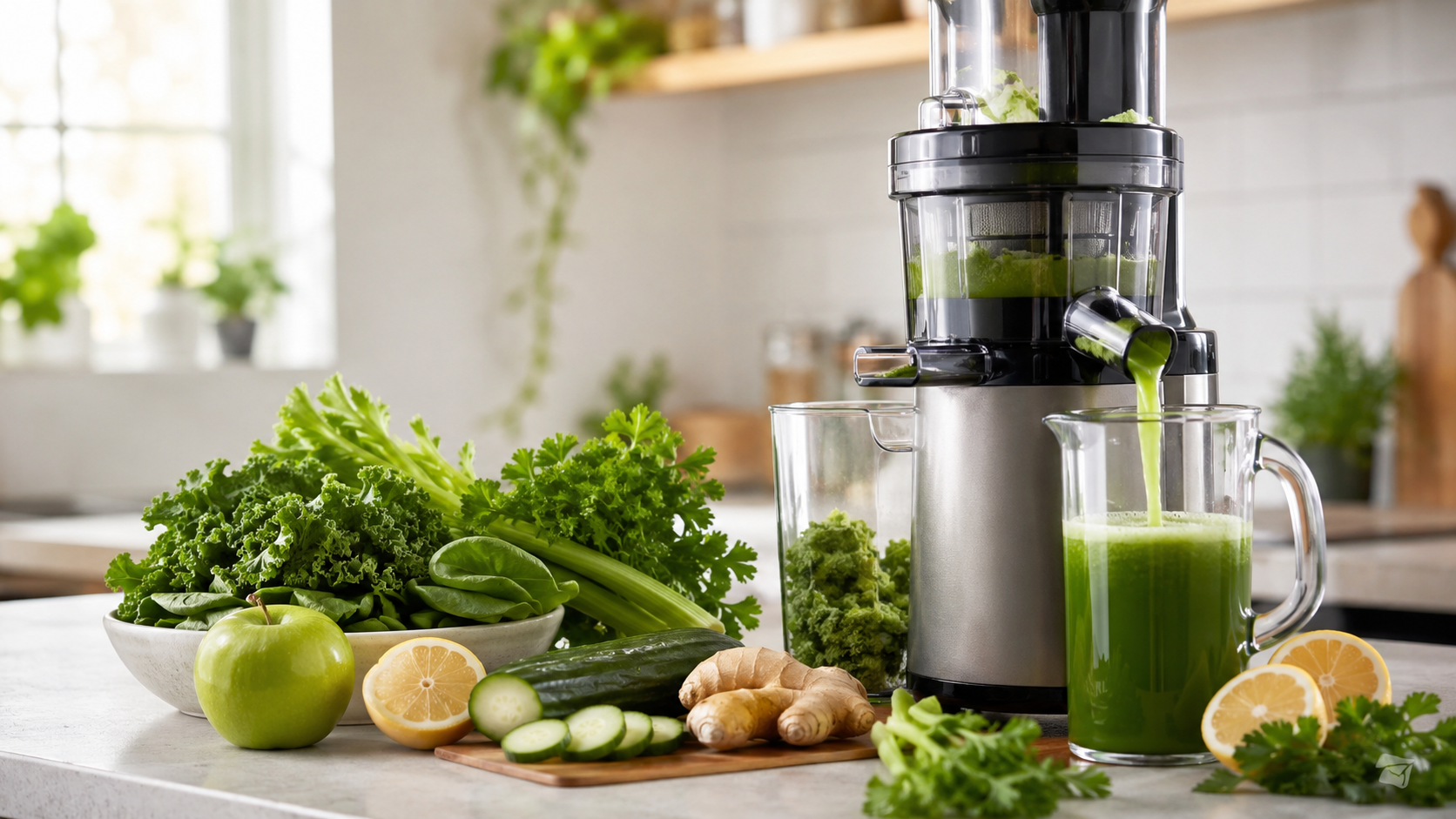
Even your food contributes to hydration. Fruits and vegetables such as cucumber, celery and watermelon contain large amounts of water, which is one reason a diet rich in fresh produce can contribute to overall fluid intake. Cleveland Clinic specifically identifies cucumber, celery and watermelon among highly water-rich foods.
Your hydration needs are not identical every day. You may require more fluid when you are:
- Exercising
- Sweating heavily
- Spending time in hot or humid weather
- Pregnant or breastfeeding
- Experiencing fever, vomiting or diarrhea
- Physically active for long periods
For ordinary day-to-day hydration, however, water remains the simplest place to start.
1. Water: Still the Best Drink for Everyday Hydration
If you’re searching for the best drink for hydration, plain water deserves the number-one spot.
Water provides fluid without added sugar, calories or unnecessary ingredients. Mayo Clinic notes that water is generally the best way to replace lost fluids, while other drinks and even water-rich foods can contribute to total hydration.
For a normal day at work, a walk, a light workout or simply keeping yourself hydrated throughout the day, you usually do not need a specialized electrolyte drink.
Harvard Health has similarly noted that for ordinary hydration, water is generally preferable to sugary sports drinks.
So if you’ve been wondering “Do electrolyte drinks hydrate you better than water?”, the answer is:
Not necessarily.
For most everyday situations, water does the job very well.
Where the conversation changes is when you’re losing substantial amounts of fluid and electrolytes through sweat.
2. Electrolyte Drinks: Useful When You Are Losing More Than Water
Electrolytes have become one of the biggest wellness trends, but they are not just a marketing term.
Electrolytes are minerals that carry an electrical charge in the body. They include:
- Sodium
- Potassium
- Magnesium
- Calcium
- Chloride
They play important roles in fluid balance, muscle function and nerve signalling.
When you sweat, you lose both water and electrolytes, particularly sodium and chloride. Mayo Clinic explains that electrolyte-containing beverages may be useful during rehydration because sweating causes the body to lose both fluid and minerals.
When do you actually need electrolytes?
For a typical light workout or regular daily activities, plain water is often sufficient.
Electrolyte replacement becomes more relevant during:
- Long-duration exercise
- Intense workouts
- Heavy sweating
- Hot-weather activity
- Endurance sports
- Significant fluid loss
Mayo Clinic notes that exercise lasting more than about an hour can be a situation where a sports drink may help provide electrolytes and carbohydrates.
That doesn’t mean everyone needs to add an electrolyte packet to every bottle of water.
Harvard Health has pointed out that many commercial electrolyte drinks also contain significant amounts of sugar, sweeteners, colours or flavourings that may not be necessary for the average person.
The better question is not:
“Are electrolyte drinks good for you?”
It is:
“Do I need additional electrolytes right now?”
For someone sweating for two hours outdoors, possibly.
For someone sitting at a desk all afternoon, probably not.
3. Coconut Water: A Natural Source of Electrolytes
One of the most common hydration searches is:
“Is coconut water good for hydration?”
Yes, coconut water can contribute to hydration.
Coconut water naturally contains several electrolytes, particularly potassium, along with smaller amounts of sodium and magnesium.
Cleveland Clinic notes that its potassium, sodium and magnesium content is one reason coconut water has become popular as a natural hydration beverage.
Research has also compared coconut water with conventional sports drinks following exercise.
In one randomized study involving exercise-trained men, researchers compared coconut water, concentrated coconut water, a carbohydrate-electrolyte sports drink and plain bottled water. The study found similar measures of rehydration across the beverages following exercise-induced dehydration.
That is useful context, but it does not mean coconut water is more hydrating than regular water.
Mayo Clinic specifically notes that while coconut water contains electrolytes and can be part of a healthy diet, evidence does not show that it hydrates better than plain water.
So why drink it?
Because for someone who wants something more flavourful than water, coconut water provides fluid plus naturally occurring minerals, especially potassium.
When choosing one, look for 100% coconut water without added sugar whenever possible.
4. Cold-Pressed Juice: Hydration Plus Ingredients From Fruits and Vegetables
So where does cold-pressed juice fit into hydration?
Cold-pressed juice should not replace water as your main source of fluids.
But it can contribute to total fluid intake while also providing nutrients naturally found in fruits and vegetables.
This becomes particularly interesting when the juice is made from ingredients that are naturally high in water, including:
- Watermelon
- Cucumber
- Celery
- Citrus fruits
- Pineapple
- Leafy greens
Cleveland Clinic identifies watermelon, cucumber and celery as particularly water-rich foods.
When those ingredients are pressed into juice, much of their naturally occurring water becomes part of the beverage.
Does juice have electrolytes?
Depending on the ingredients, yes.
Fruits and vegetables naturally contain minerals that function as electrolytes in the body.
Citrus juices, for example, can provide potassium, calcium and magnesium. Cleveland Clinic specifically lists lemon, lime and grapefruit juices among potential ingredients in naturally electrolyte-containing drinks.
This is one reason a cold-pressed juice made from whole fruits and vegetables is fundamentally different from an artificially flavoured beverage containing added sugar and colour.
That does not make juice an electrolyte replacement therapy or a substitute for water.
Instead, think of cold-pressed juice as a nutrient-containing beverage that also contributes fluid.
What Are the Best Cold-Pressed Juices for Hydration?
When choosing a juice with hydration in mind, look at the ingredients first.
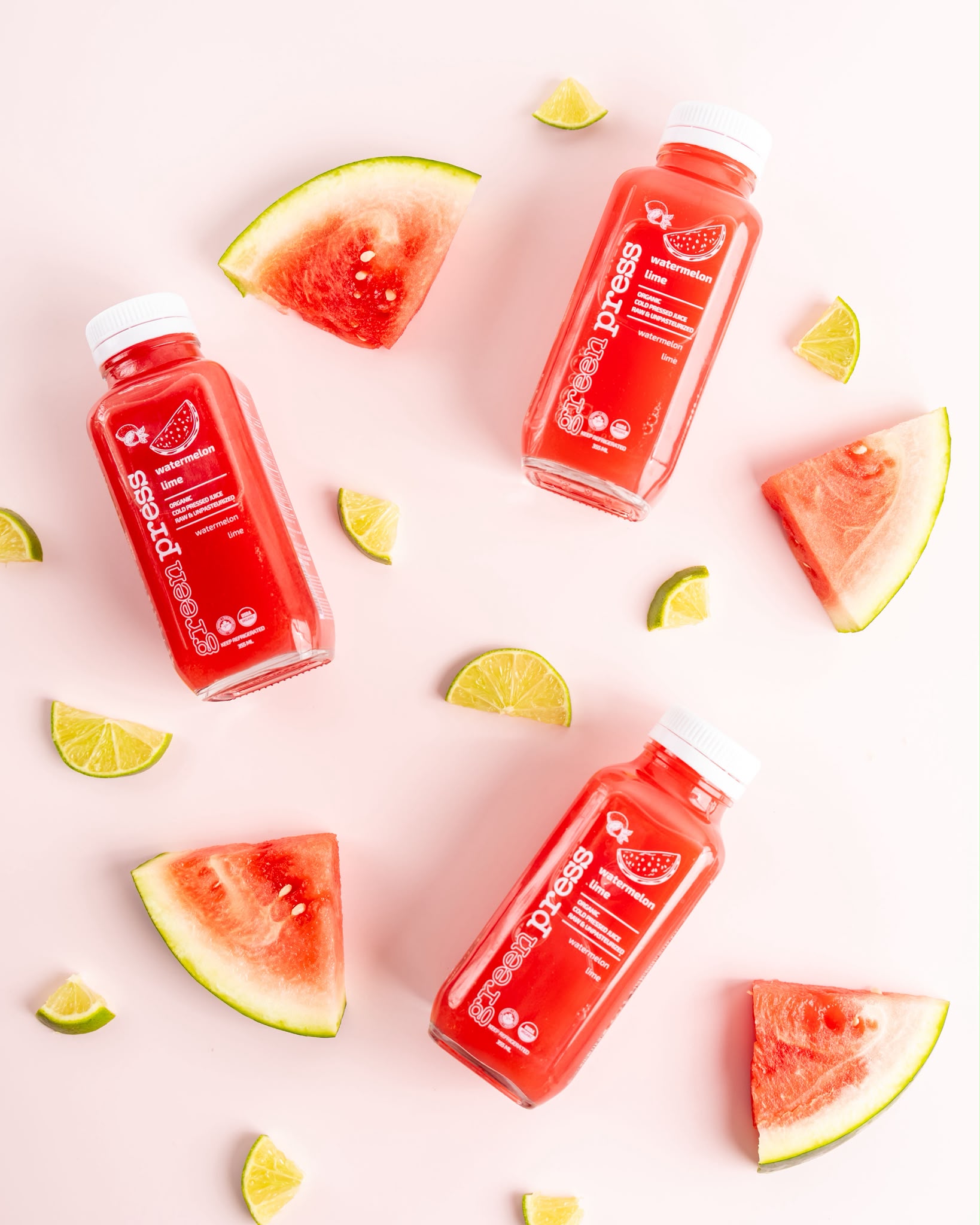
Watermelon-based juice
Watermelon has a very high water content and naturally contains potassium.
A cold-pressed watermelon juice can be particularly refreshing during warm weather or after activity.
Our Watermelon Lime combines watermelon with fresh lime for a simple, refreshing cold-pressed option.
Cucumber-based green juice
Cucumber is another extremely water-rich food.
Green juices containing cucumber can provide fluid along with nutrients naturally present in vegetables and leafy greens.
At Green Press, several of our green juices combine ingredients such as cucumber, celery and greens.
Celery juice
Celery is predominantly water and naturally contains minerals.
Cold-pressed celery juice can be another way to add variety to your fluid intake while consuming a simple vegetable-based juice.
Citrus juice
Orange, grapefruit, lemon and lime naturally contain water along with potassium and other minerals.
Citrus is especially useful if you’re looking for a natural hydration drink that is more flavourful than plain water.
Water vs Electrolyte Drinks vs Coconut Water vs Cold-Pressed Juice
So which is the most hydrating drink?
There is no single beverage that everyone needs in every situation.
For everyday hydration:
Water
Water should make up the foundation of your daily hydration.
For prolonged exercise or heavy sweating:
Water plus appropriate electrolyte replacement
If you’re exercising for an extended period or sweating heavily, replenishing sodium and other electrolytes may be helpful.
For a naturally electrolyte-containing drink:
Coconut water
Coconut water provides fluid along with naturally occurring potassium, sodium and magnesium.
For hydration plus fruits and vegetables:
Cold-pressed juice
Cold-pressed juice provides fluid while allowing you to consume nutrients naturally present in fresh produce.
The best approach doesn’t require choosing only one.
Hydration can come from water, other beverages and the foods you eat.
Are Sports Drinks Necessary?
Not for everyone.
Commercial sports drinks were developed for situations in which athletes lose substantial amounts of fluid and electrolytes while exercising.
For endurance activity, intense exercise or significant sweating, they can be useful.
But Harvard Health notes that sports drinks often contain sugar and calories that most people simply don’t need during normal daily activities.
If you are exercising lightly for 30 or 45 minutes, water is generally a perfectly reasonable choice.
If you are running for several hours in hot weather, your needs are quite different.
Context matters.
Can You Get Electrolytes From Food Instead?
Yes.
One point that often gets overlooked in the electrolyte conversation is that your diet supplies electrolytes too.
A balanced diet containing fruits, vegetables, legumes, nuts, seeds and other whole foods provides minerals such as potassium, magnesium and calcium.
This is why someone eating normally and staying adequately hydrated may not need additional electrolyte products for everyday life.
Electrolyte drinks are a tool, not a requirement for being healthy.
Signs You May Need to Pay More Attention to Hydration
Common signs of inadequate hydration can include:
- Thirst
- Dry mouth
- Darker urine
- Less frequent urination
- Headache
- Fatigue
- Dizziness
Harvard Health notes that dehydration can often be prevented through adequate fluid intake along with foods that have high water content.
Persistent or severe dehydration is different from simply feeling thirsty after a workout. Severe dehydration, prolonged vomiting or diarrhea, confusion or fainting should be assessed medically rather than treated with juice or a wellness drink.
So, What Is the Best Drink for Hydration?
For most people:
Start with water.
Then think about what your body is actually doing.
If you’ve been sweating heavily or exercising for a long time, electrolytes may become useful.
If you enjoy coconut water, it can provide hydration along with naturally occurring electrolytes.
And if you want a beverage made from water-rich fruits and vegetables, cold-pressed juice can contribute fluids while delivering nutrients naturally present in fresh produce.
There is no need to turn hydration into something complicated.
Drink water regularly, eat plenty of water-rich fruits and vegetables, and choose other beverages based on your activity level, nutrition and personal needs.
At Green Press, we believe hydration can also taste good. Our organic cold-pressed juices are made with real fruits and vegetables, giving you an easy way to add more fresh produce and variety to your daily routine.
Explore Green Press cold-pressed juices and find your favourite way to sip more plants.
Frequently Asked Questions
What is the best drink for hydration?
For most everyday situations, water is the best choice for hydration. During prolonged exercise, heavy sweating or substantial fluid loss, an electrolyte-containing beverage may also be appropriate.
What drink hydrates you the fastest?
The answer depends on why you are dehydrated. For everyday thirst, water is usually sufficient. Significant fluid and electrolyte losses from prolonged exercise, illness, vomiting or diarrhea may require fluids containing appropriate electrolytes.
Do electrolyte drinks hydrate you better than water?
Not under normal circumstances. Water is generally sufficient for everyday hydration. Electrolyte-containing beverages become more useful when significant electrolytes have been lost through prolonged sweating or other fluid losses.
Is coconut water good for hydration?
Yes. Coconut water contains water and naturally occurring electrolytes such as potassium, sodium and magnesium. However, research does not establish it as more hydrating than plain water.
Is cold-pressed juice hydrating?
Cold-pressed juice contains fluid and can contribute to overall fluid intake. Juices containing water-rich produce such as watermelon, cucumber and celery can be particularly refreshing. Water should still remain the primary beverage for everyday hydration.
Does juice contain electrolytes?
Many fruits and vegetables naturally contain electrolyte minerals including potassium, magnesium and calcium. The amount varies considerably depending on the ingredients used. Citrus juices, for example, naturally contain several of these minerals.
Is coconut water better than an electrolyte drink?
It depends on the situation. Coconut water naturally contains electrolytes and can be useful as a beverage after moderate activity, but it tends to be particularly rich in potassium and may not supply as much sodium as a sports beverage designed for prolonged heavy sweating. Research comparing the two has generally not shown a clear hydration advantage for coconut water.