No products in the cart.



Let’s take an honest look into benefits, sugar, fibre and concerns people are usually worried about.
Cold-pressed juice is a nutritious and convenient way to add a wide variety of vegetables into your balanced diet. However, not every juice has the same nutritional profile. The type of ingredients, serving size and way you consume your juice all matter.
So, is cold-pressed juice actually good for you?
For most people, the answer is yes, when it is chosen thoughtfully and enjoyed as part of a healthy diet that also includes whole vegetables, fruit, protein, healthy fats and fibre-rich foods.
What Is Cold-Pressed Juice?
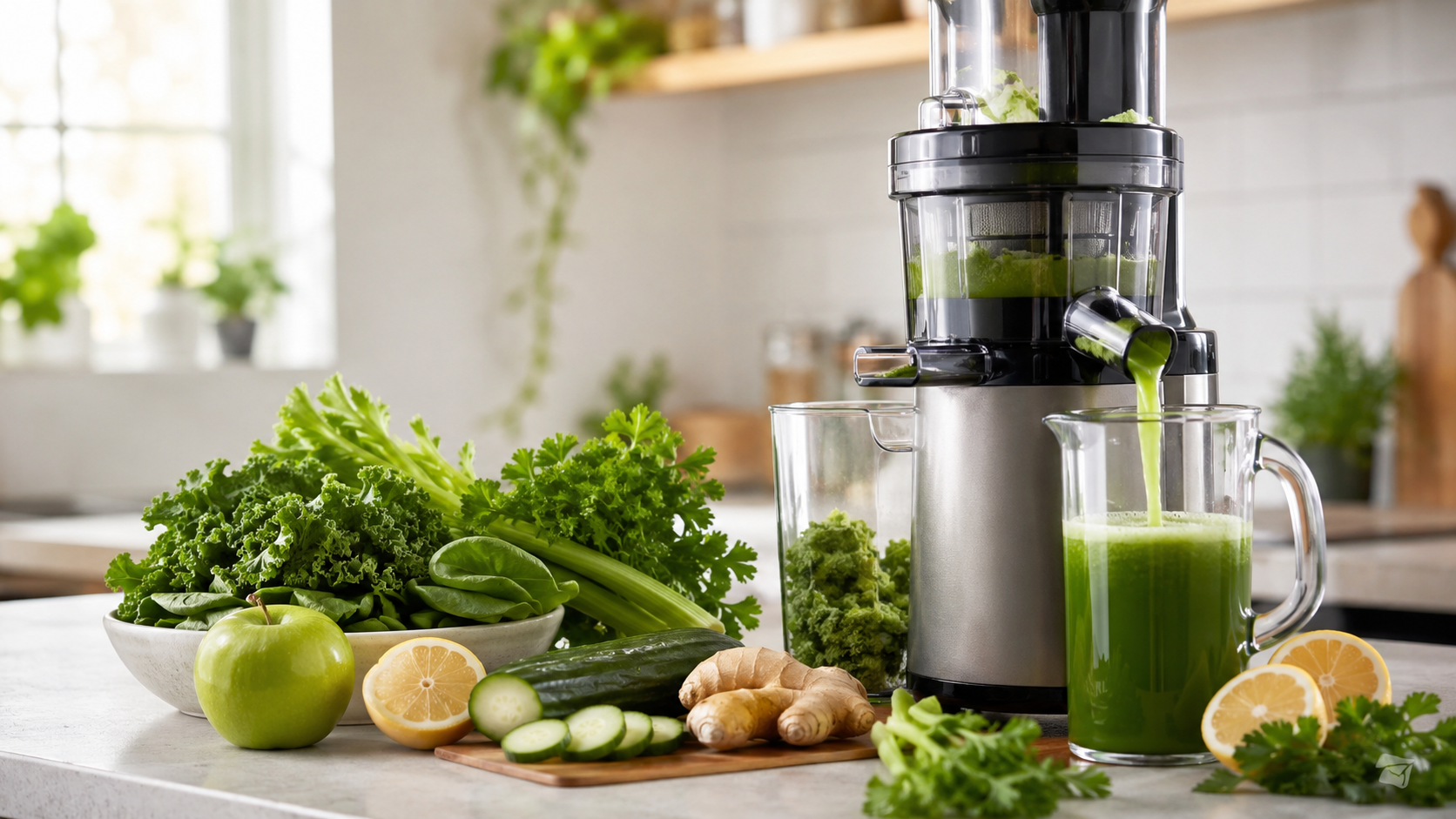
Cold-pressed juice is made by crushing fruits and vegetables and applying pressure using a hydraulic press to extract the juice.
Unlike a centrifugal juicer, which uses fast-spinning blades, a hydraulic cold press minimizes the heat generated during extraction. It also limits some of the produce’s exposure to oxygen during processing.
Cold-pressed juice can provide vitamins, minerals and naturally occurring plant compounds from the fruits and vegetables used to make it. At Green Press, our juices are made with certified organic produce and contain no added refined sugar. Any sugar shown on the Nutrition Facts table comes naturally from ingredients such as apples, oranges, carrots, beets and pineapple.
What Are the Benefits of Cold-Pressed Juice?
1. It makes vegetables easier to include in your routine
Many people struggle to eat a wide variety of vegetables consistently.
A vegetable-forward cold-pressed juice offers a convenient way to enjoy ingredients such as:
- Spinach
- Kale
- Celery
- Cucumber
- Parsley
- Collard greens
- Swiss chard
- Dandelion greens
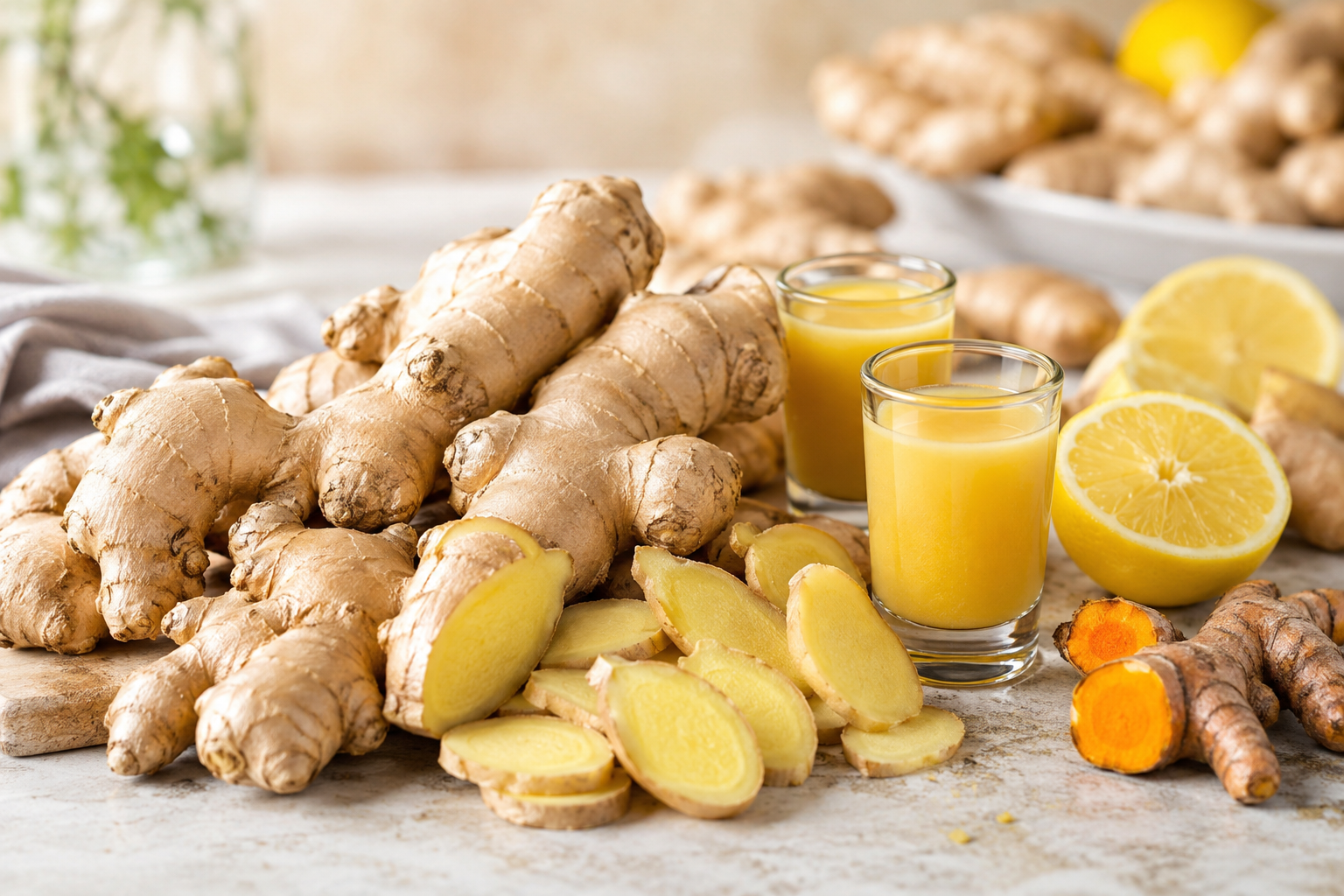
- Ginger
- Lemon
Juicing should not replace the vegetables on your plate, but it can help add greater variety to a busy routine.
That distinction matters. Juice is best viewed as an addition to a healthy diet, not a substitute for every serving of whole produce.
2. It provides vitamins, minerals and plant compounds
Vegetables and fruits contain a wide range of vitamins, minerals and phytochemicals. The specific nutrients in a juice depend entirely on its recipe.
For example:
- Leafy greens, including spinach, kale, collard greens and Swiss chard, can provide vitamin K, folate and carotenoids.
- Carrots contain beta-carotene, which the body can convert into vitamin A.
- Citrus fruits provide vitamin C and naturally occurring plant compounds.
- Celery and cucumber contribute fluid and make a refreshing base for green juices.
- Beets contain naturally occurring nitrates and betalain pigments.
- Ginger contributes its distinctive flavour and naturally occurring gingerol compounds.
A varied diet rich in vegetables and fruits is associated with better overall health.
3. Juice can help increase ingredient variety
You may not normally sit down and eat spinach, celery, cucumber, parsley, kale, ginger and lemon together.
A green juice can combine several types of produce in one convenient bottle. This can be especially useful for people who are busy, travel frequently or want an easy vegetable-forward option available at work.
Convenience is one of the most practical benefits of cold-pressed juice. A healthy option can only benefit your routine when it is accessible enough for you to consume consistently.
4. It can be a refreshing alternative to sweetened beverages
A 100% vegetable-and-fruit juice is different from a soft drink, fruit-flavoured beverage or juice cocktail made with added sugar.
Cold-pressed juice still contains calories and may contain naturally occurring sugar, but it also provides compounds originating from real vegetables and fruits. Choosing vegetable-forward recipes can help limit the amount of fruit sugar in the bottle.
Does Cold-Pressed Juice Remove the Fibre?
Juicing removes most of the insoluble fibre contained in the pulp, skins and structural parts of fruits and vegetables.
This is the most important nutritional difference between juice and whole produce.
Harvard’s Nutrition Source recommends eating a variety of fibre-rich plant foods and choosing whole fruit more often than fruit juice.
That does not mean juice has no nutritional value. It means your juice should be consumed within a diet that contains other sources of fibre.
Good foods to enjoy during the same meal or snack include:
- Chia seeds or ground flaxseed
- Oatmeal
- Whole-grain toast
- Lentils, beans or chickpeas
- Hummus with vegetables
- Nuts or nut butter
- Berries
- Avocado
- Salads and cooked vegetables
Does Cold-Pressed Juice Cause a Blood Sugar Spike?
Cold-pressed juice can raise blood sugar, particularly when it contains a higher proportion of fruit or is consumed quickly on its own. Because most of the insoluble fibre is removed during juicing, the natural sugars in juice may be absorbed more quickly than the sugars in whole fruits and vegetables.
For most healthy individuals, the body responds by releasing insulin, which helps move glucose from the bloodstream into the cells where it can be used for energy. The rise in blood sugar can vary considerably depending on the person, the recipe and how the juice is consumed.
It is also important to look at the complete nutritional picture. Cold-pressed juice made with vegetables and fruit can provide vitamins, minerals and naturally occurring plant compounds. Choosing vegetable-forward juices allows you to enjoy these nutrients while generally consuming less natural sugar than you would from a fruit-heavy juice.
The body’s response can depend on:
- The amount of natural sugar in the bottle
- The serving size
- Whether the juice is primarily vegetables or fruit
- How quickly it is consumed
- Whether it is enjoyed with protein, fibre or healthy fats
- The individual’s health and personal glucose response
A juice made predominantly with cucumber, celery and leafy greens will generally have a different nutritional profile from one made mainly with apples, oranges or pineapple.
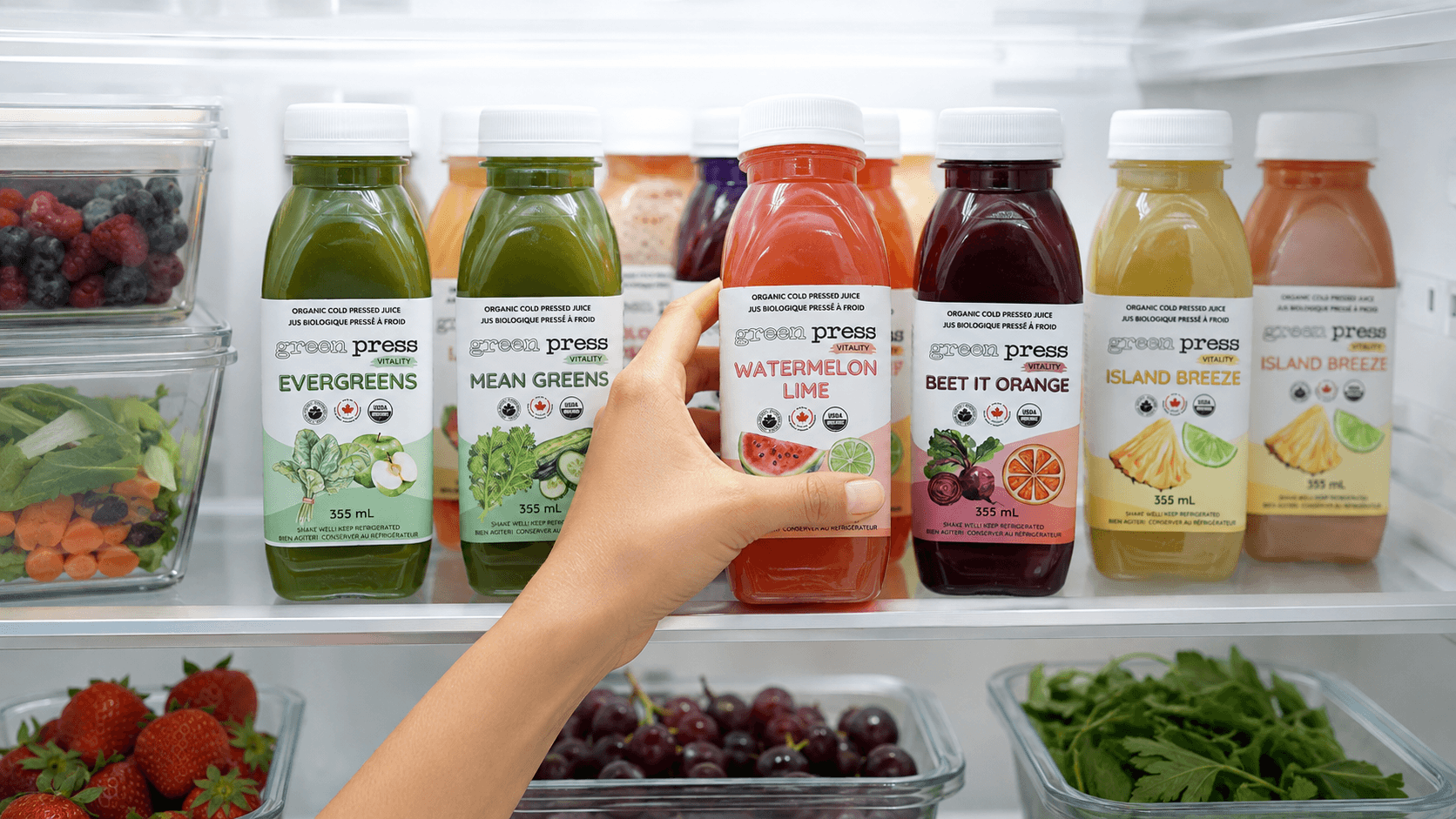
For a more balanced experience, enjoy fruit-forward juices alongside a meal or snack that contains protein and fibre. Vegetable-forward options such as Mean Greens and Evergreens may be better suited to regular consumption because vegetables form the foundation of the recipe.
People with diabetes, pre-diabetes, insulin resistance or another condition that affects blood glucose should use the Nutrition Facts table and speak with their physician or registered dietitian for individualized guidance.
What Is the Best Vegetable-to-Fruit Ratio for Green Juice?
A practical guideline is to choose juices made with approximately 80% vegetables and 20% fruit.
In a May 2026 article, Harvard Health recommended this approximate ratio for home juicing as a way to keep the recipe nutrient-dense while limiting its sugar impact. Harvard suggests using vegetables such as spinach, cucumber, carrots, beets with a smaller amount of fruit for sweetness.
This does not mean that every juice must follow an exact formula. It is a useful principle for distinguishing an everyday green juice from a sweeter, fruit-forward beverage.
At Green Press, our most vegetable-forward choices include:
Fine and Dandy
Ingredients: Cucumber, collard greens, Swiss chard, celery, dandelion greens, ginger and lemon.
Fine and Dandy is our boldest green option and is designed for customers who enjoy a distinctly earthy, vegetable-forward juice.
Celery Juice
Ingredients: Celery and lemon.
This is one of the simplest options in our collection. It contains no sweet fruit and has a crisp, savoury flavour.
Mean Greens
Ingredients: Kale, spinach, celery, cucumber, green apple, parsley, lemon and ginger.
Mean Greens uses leafy greens, celery and cucumber as its foundation, with green apple to make the flavour more approachable. It is a practical choice for someone who wants a green-forward juice without the stronger flavour of Fine and Dandy.
Evergreens
Ingredients: Spinach, celery, cucumber, parsley, green apple and lemon.
Evergreens is another approachable green juice. It combines several vegetables and herbs with a smaller fruit component for natural sweetness.
These recipes are the best place to begin when you want to make vegetable-forward juice part of your regular routine.
Can You Drink Cold-Pressed Juice Every Day?
For many healthy adults, a moderate serving of vegetable-forward juice can fit into a balanced daily diet.
The better question is not simply, “Can I drink juice every day?” It is:
What kind of juice am I drinking, how much am I consuming and what does the rest of my diet look like?
A daily Mean Greens, Evergreens, Celery Juice or Fine and Dandy should complement meals containing whole produce and fibre. It should not become the only way you consume vegetables.
A practical routine might look like:
- A green juice alongside eggs and whole-grain toast
- A green juice with oatmeal, chia seeds and nut butter
- A juice with a salad containing beans, lentils, chicken, fish or tofu
- A juice with hummus, whole-grain crackers and raw vegetables
- A juice alongside a balanced lunch containing protein and fibre
This approach allows you to enjoy the convenience and benefits of juice without relying on it to provide every part of a complete meal.
What About Fruit-Forward Cold-Pressed Juices?
Fruit-forward juices do not need to be avoided. They should simply be understood differently.
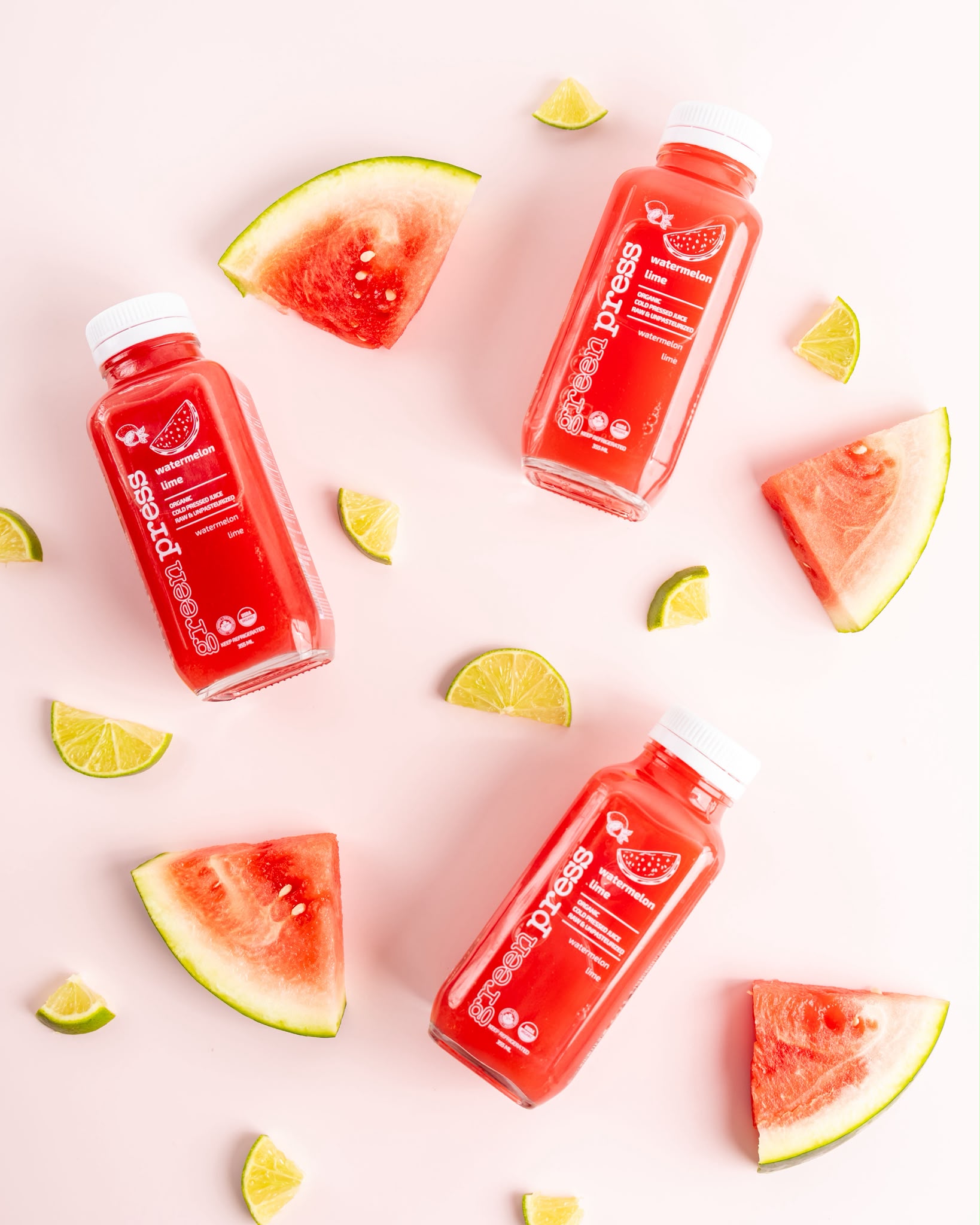
Juices containing more apple, orange, pineapple, watermelon or other fruit will generally taste sweeter and contain more naturally occurring sugar than green-forward juices.
Enjoy them:
- In a moderate serving
- Alongside a balanced meal
- With a source of protein
- With fibre-rich food
- As an occasional alternative to other sweet beverages
- Around physical activity when appropriate for your individual needs
For example, pair a fruit-forward juice with:
- Greek yogurt and chia seeds
- Eggs and whole-grain toast
- Nuts or nut butter
- A protein-rich salad
- Hummus and raw vegetables
- A meal containing beans, lentils, chicken, fish or tofu
Protein and fibre can make the complete meal more satisfying. Fibre also helps slow carbohydrate digestion compared with drinking a fruit-heavy juice by itself.
Is Green Juice Better Than Fruit Juice?
Green juice is not automatically healthier simply because it is green.
Read the ingredient list and Nutrition Facts table. Some green-coloured juices contain large amounts of apple or pineapple, while some beet or carrot juices may contain a meaningful amount of vegetables.
When choosing a juice, ask:
- Are vegetables the foundation of the recipe?
- How many grams of sugar are in the bottle?
- Is any sugar added?
- What is the serving size?
- Am I consuming it with a balanced meal?
- Am I still eating whole vegetables and fruits?
The name and colour of the juice matter less than its complete formulation.
Is Cold-Pressed Juice Good for Weight Loss?
Cold-pressed juice does not independently cause weight loss.
Weight management depends on a person’s overall calorie intake, food choices, physical activity, sleep, health and other individual factors.
Juice should not be marketed as a magic weight-loss solution. Trying a juice cleanse can and sometimes does result in weight loss, but this is due to restricted calories and calorie deficit.
Is Cold-Pressed Juice a Detox?
Your liver, kidneys, lungs, digestive system and skin naturally work together to process and eliminate waste from the body. However, ongoing exposure to environmental pollutants, highly processed foods and certain household cleaning products can place additional stress on these systems.
A juice cleanse is designed to give your body a temporary reset by simplifying your diet and providing hydration, vitamins, minerals and plant-based nutrients. When the digestive system feels overloaded or sluggish, it may not function as efficiently as it normally does. Reducing heavier foods for a short period can help support the body’s natural processes and encourage a return to more balanced eating habits.
Cold-pressed juice provides a convenient source of vegetable- and fruit-derived nutrients as part of a balanced dietary pattern.
Many people use a period of juicing as an opportunity to reduce alcohol, heavily processed foods or oversized meals.
How to Get the Most Benefit From Cold-Pressed Juice
Choose vegetable-forward recipes frequently
For regular consumption, begin with Fine and Dandy, Celery Juice, Mean Greens or Evergreens.
Read the Nutrition Facts table
Compare serving size, total carbohydrate and sugar between products rather than assuming every cold-pressed juice is nutritionally identical.
Pair sweeter juices with protein and fibre
A fruit-forward juice is better incorporated into a complete meal than treated as a filling meal by itself.
Make water your main beverage
Cold-pressed juice can contribute fluid, but water should remain the primary beverage used for hydration.
Consider your individual health needs
Anyone managing diabetes, kidney disease, digestive conditions, medication interactions or another medical concern should speak with a qualified healthcare professional before making juice a frequent part of their routine.
Frequently Asked Questions About Cold-Pressed Juice
Is cold-pressed juice actually healthy?
Cold-pressed juice can be healthy when it is made from quality vegetables and fruits, consumed in a reasonable serving and included in a balanced diet. Vegetable-forward recipes generally provide a more appropriate option for frequent consumption than very sweet, fruit-heavy juices.
Do cold-pressed juices have too much sugar?
Depends on the juice. Some juices do, while others do not. The amount depends on the recipe and serving size. Check the Nutrition Facts table and choose recipes based primarily on vegetables when limiting sugar is important to you.
Does green juice spike blood sugar?
Green juice may still raise blood glucose, especially when it contains a significant amount of fruit. Vegetable-forward recipes will generally contain less natural sugar than fruit-forward options, but individual responses vary. In healthy individuals, your body responds and sends the sugar to be used as energy.
What is the healthiest cold-pressed juice?
There is no single healthiest juice for everyone. A useful everyday choice is one that contains mostly vegetables, no added sugar and an amount of natural sugar that suits your individual health needs.
Can cold-pressed juice replace breakfast?
Most juice does not contain enough fibre, protein or fat to function as a complete breakfast by itself. Pair it with foods such as eggs, Greek yogurt, nuts, chia seeds, oatmeal or whole-grain toast. Sometimes people opt to skip breakfast, so grabbing a green forward juice helps provide nutrition early in the morning.
Is juice easier to digest than whole vegetables?
Yes. Juice requires no chewing and contains less insoluble fibre. Your body can absorb the nutrients much faster. This doesn’t mean it should replace eating whole vegetables.
How much cold-pressed juice should I drink?
There is no universal amount that suits everyone the same. Consider the bottle size, total sugar, your complete diet and any health conditions. A 355 mL bottle can also be divided into two servings when that better suits your needs.
The Bottom Line: Is Cold-Pressed Juice Good for You?
Cold-pressed juice can be a valuable part of a balanced diet, but it is not a replacement for whole vegetables, fibre or complete meals.
For regular consumption, prioritize vegetable-forward juices such as Fine and Dandy, Celery Juice, Mean Greens and Evergreens. Continue eating whole vegetables and fruits, make water your main beverage and pair sweeter juices with protein- and fibre-rich foods.
The goal is not to choose between juice and whole vegetables.
It is to use cold-pressed juice for what it does best: making a greater variety of fresh, plant-based ingredients convenient, enjoyable and easier to include in your routine.
This article is provided for general educational purposes and is not medical advice. People with diabetes, kidney disease, digestive conditions or other medical concerns should consult their physician or registered dietitian for individualized guidance.