No products in the cart.



Dandelion greens sitting in the produce aisle can be a little intimidating — most of us grew up pulling this “weed” out of the lawn, not putting it on a plate. But once you know how to cook dandelion greens properly, they turn into one of the most nutrient-dense, flavorful leafy greens you can eat: earthy, slightly peppery, and — cooked the right way — nowhere near as bitter as you’d expect.
Below you’ll find everything you need: how to pick and prep dandelion greens, three simple cooking methods, a full step-by-step recipe for Hindbeh (a beloved Middle Eastern dandelion dish), tips for cutting the bitterness, and answers to the most common questions people search before they try this ingredient for the first time.
What Are Dandelion Greens?
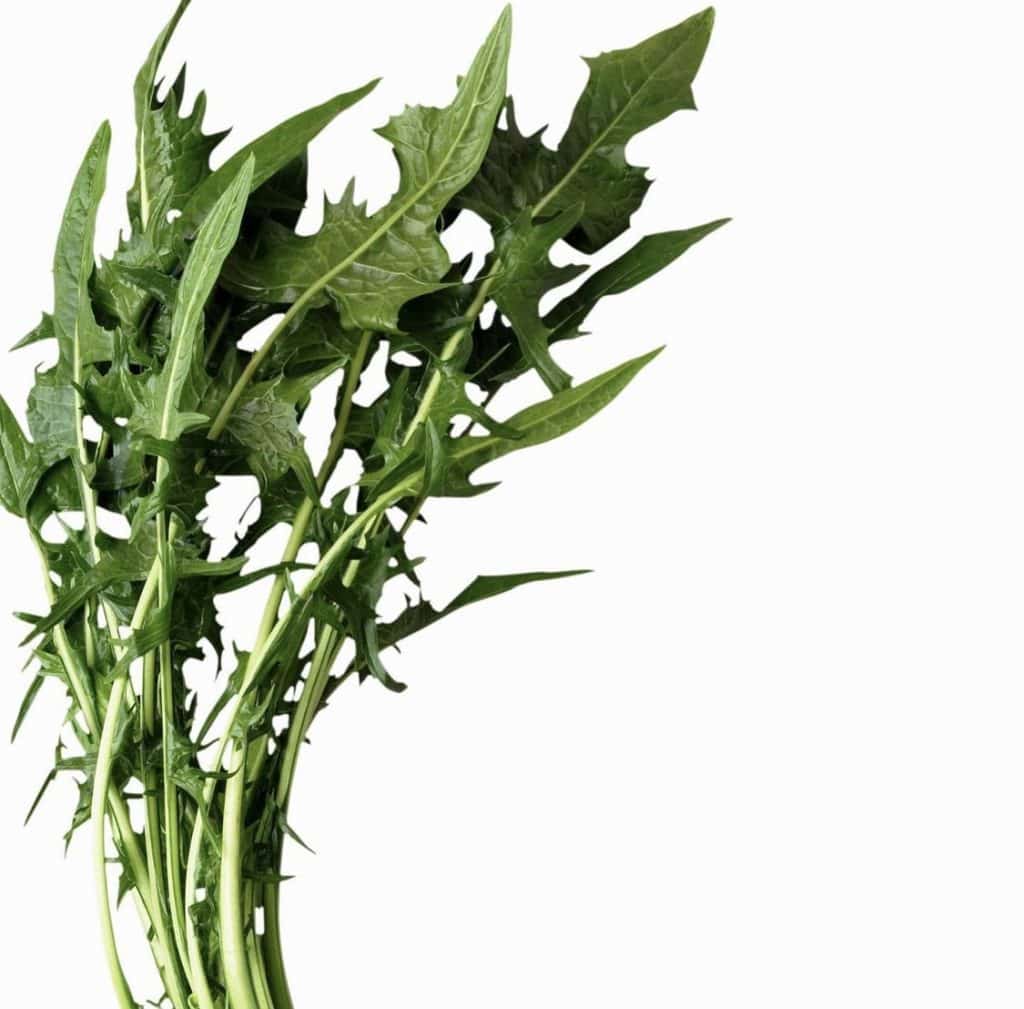
Dandelion greens are the jagged, deep-green leaves of the dandelion plant (Taraxacum officinale) yes, the same plant behind the yellow flowers that pop up in lawns every spring. The greens sold at grocery stores and farmers markets are cultivated varieties, grown specifically for eating, so they’re larger, milder, and more tender than the ones growing wild outside.
If you’re foraging your own instead of buying them, harvest only from areas you’re certain haven’t been treated with pesticides, herbicides, or fertilizer, and avoid patches near roadsides or places pets frequent. When in doubt, buy cultivated greens they’re widely available and far more predictable in flavor and texture.
Are Dandelion Greens Healthy? Nutrition Facts
Dandelion greens are genuinely one of the more nutrient-dense greens you can buy. Per 100 grams raw, they provide roughly 187 mg of calcium (19% DV), 3.1 mg of iron (39% DV), 397 mg of potassium, and are exceptionally high in vitamin K, vitamin A, vitamin E, and vitamin C relative to most other vegetables, according to USDA nutrient data. They’re also a source of inulin, a prebiotic fiber that supports digestion.
That bitter edge people associate with dandelion isn’t a flaw it’s largely due to compounds that are traditionally linked to digestive stimulation, which is part of why bitter greens like this have shown up in cuisines around the world for centuries. If you enjoy a wellness shot before meals for a similar digestive boost, dandelion greens are a natural, food-based way to get some of that same bitter-compound benefit at the dinner table.
How to Choose and Prep Dandelion Greens
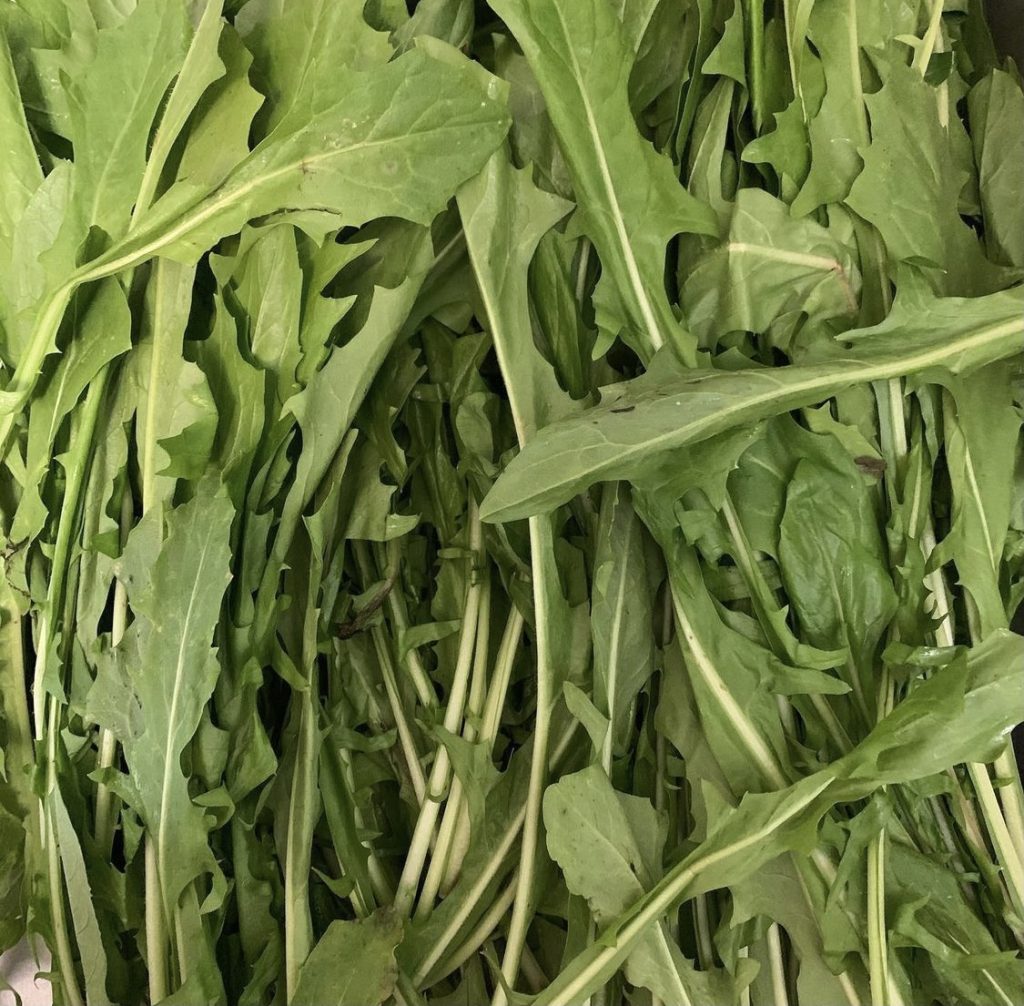
- Pick greens that look vibrant and unwilted. Smaller, younger leaves are milder; larger, more mature leaves (especially from flowering plants) are more bitter and benefit from longer cooking.
- Wash thoroughly. Dandelion greens trap grit and dirt in their leaves, so rinse in a few changes of cold water until no sediment settles at the bottom of the bowl.
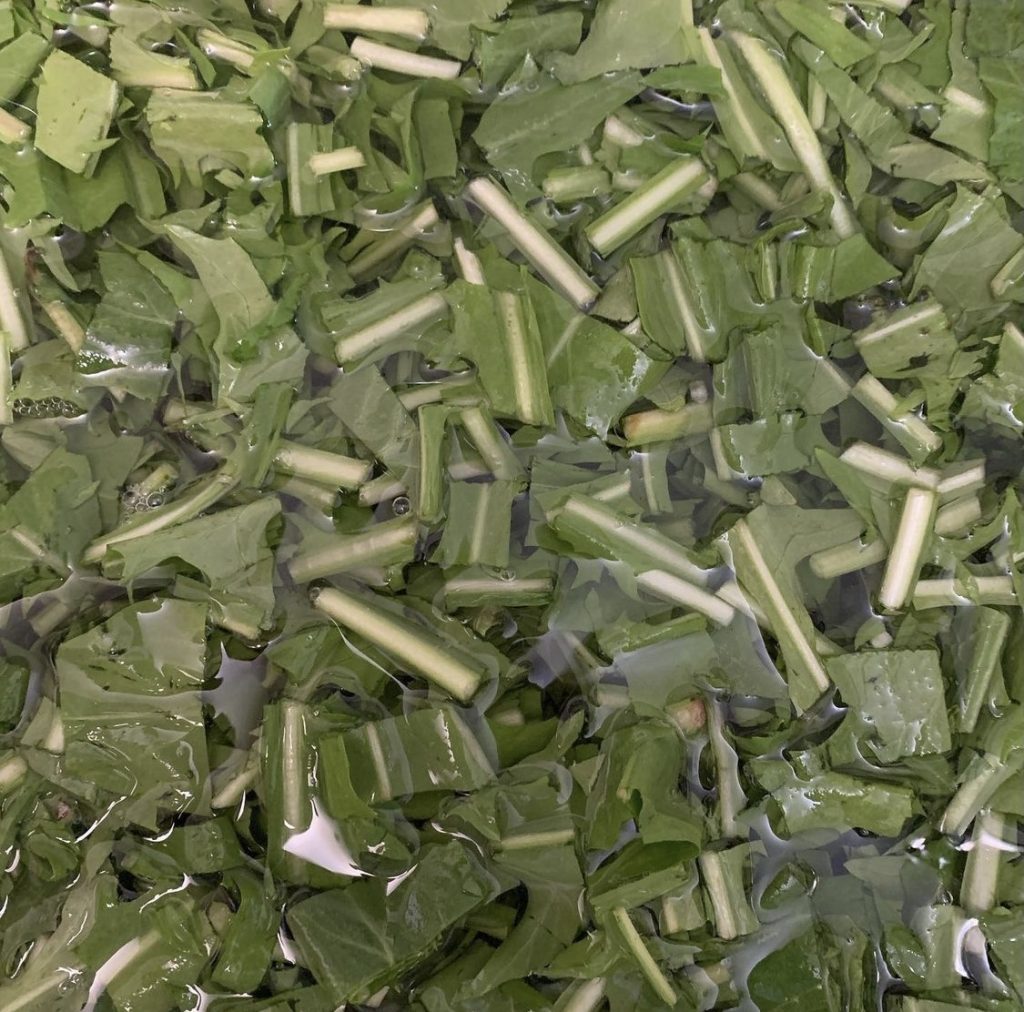
- Trim the stems. The tough bottom inch or two of the stems can be fibrous trim it off, or chop the whole bunch into 1–3 inch pieces so stems cook evenly with the leaves.
How to Cook Dandelion Greens (3 Simple Methods)
There’s no single “correct” way to cook dandelion greens which method you choose depends on how mellow you want the final flavor and what you’re serving them with.
Method 1: Boil, Then Sauté (Best for Reducing Bitterness)
This is the go-to method when you want the mildest possible flavor, and it’s the base of the hindbeh recipe below.
- Bring a large pot of water to a boil.
- Add the chopped dandelion greens and boil for 15–20 minutes, uncovered, until the leaves are fully softened.
- Drain and let cool slightly, then squeeze out as much water as possible with your hands, in batches.
- Finish in a hot pan with olive oil and aromatics (onion, garlic, or both) for a few minutes.
Method 2: Blanch and Sauté (“Ripassare” Style)
A faster, more traditionally Italian approach that keeps a little more texture and a slightly more assertive bitterness — pairs well with garlic, chili flakes, and a squeeze of lemon.
- Bring a large pot of salted water to a boil.
- Blanch the chopped greens for 3–5 minutes, then drain.
- Sauté in olive oil with garlic and a pinch of chili flakes for 2–3 minutes, until silky and tender.
- Finish with lemon juice and a drizzle of olive oil.
Method 3: Braise
Good for a softer, stew-like side dish, especially with older, more mature greens.
- Blanch chopped greens for 1 minute in salted water, then drain and squeeze dry.
- Sauté onion and garlic in olive oil (or a little bacon fat) until fragrant.
- Add the greens and enough stock to just cover the pan; simmer uncovered for 15–20 minutes until tender and the liquid has mostly reduced.
- Season with salt, finish with lemon, and serve.
Classic Recipe: Hindbeh (Middle Eastern Dandelion Greens)
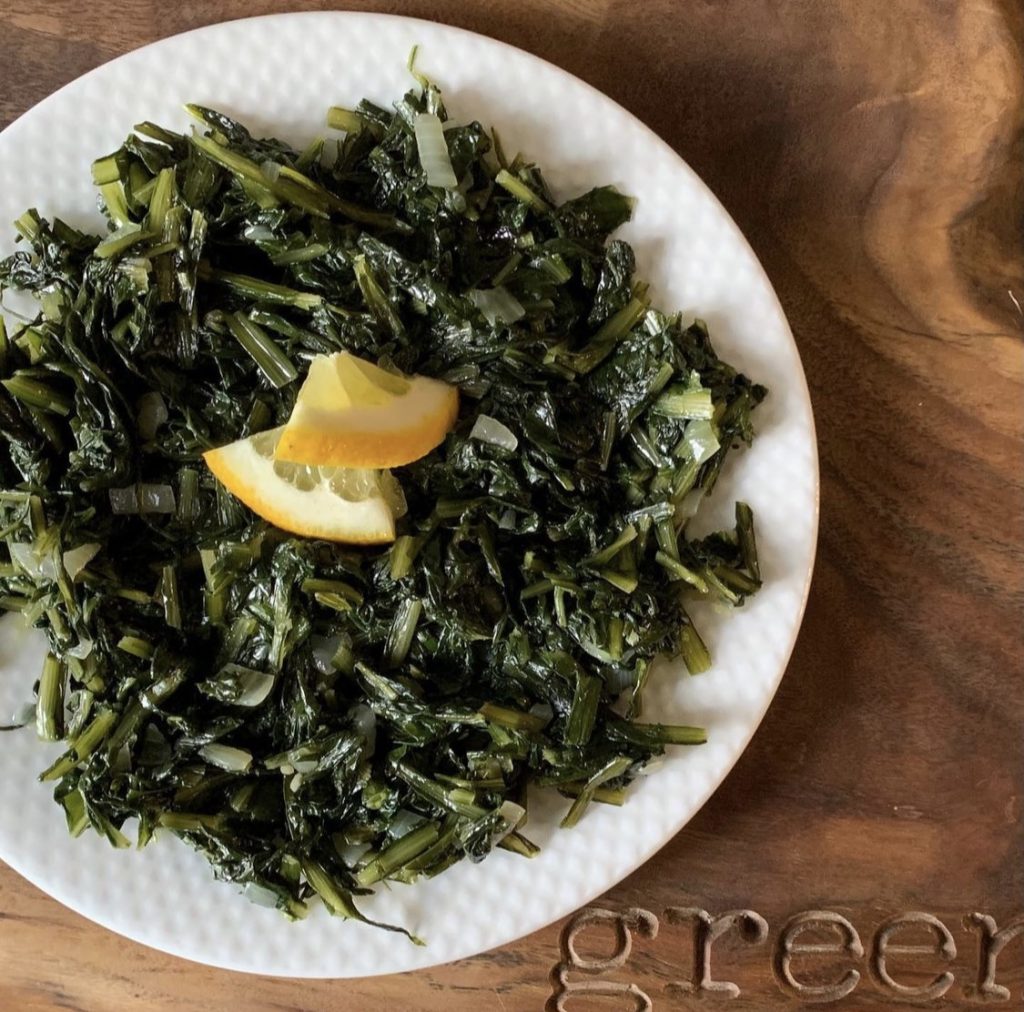
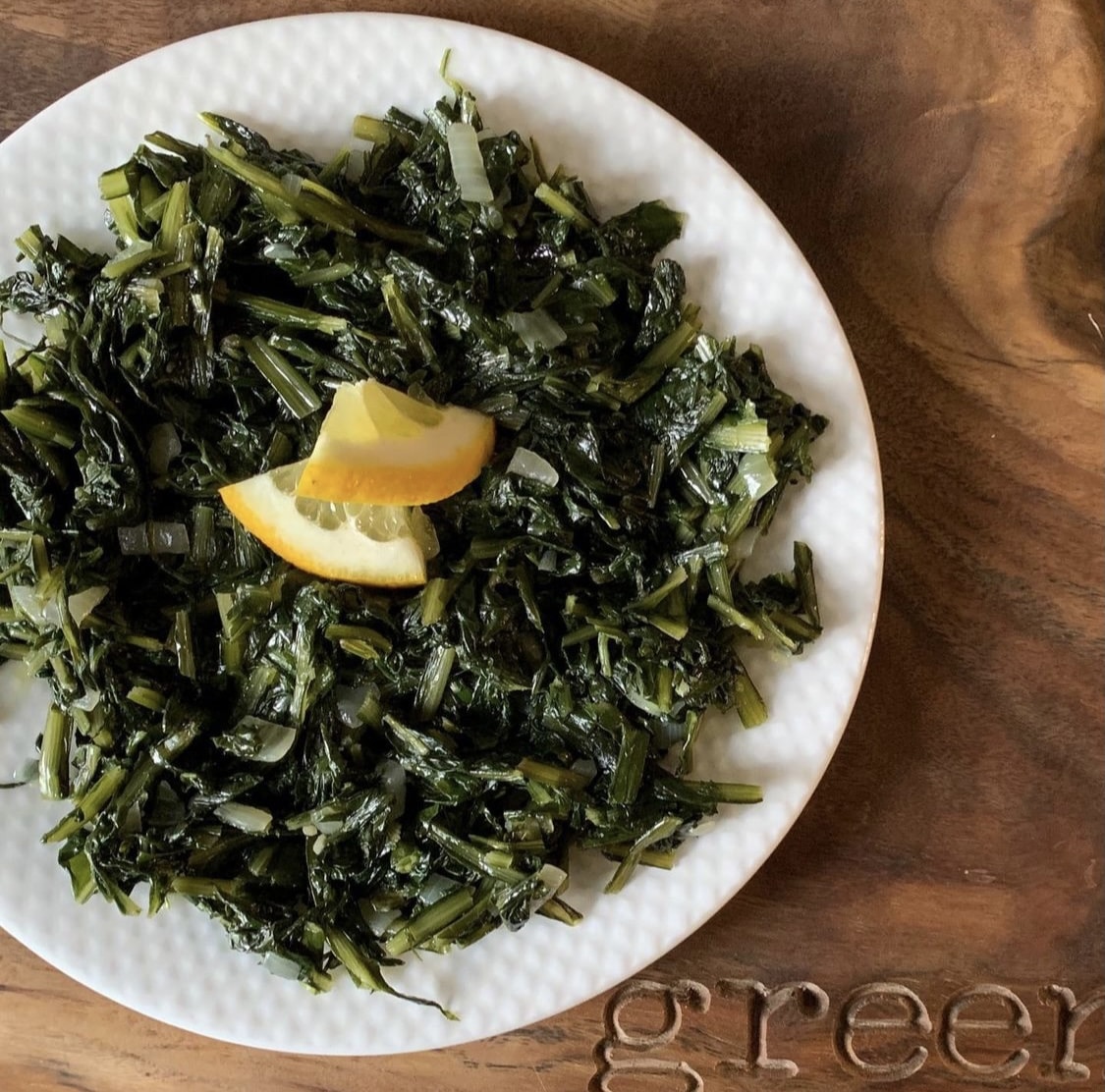
Hindbeh is a traditional Middle Eastern dish sautéed dandelion greens with deeply caramelized onions, lemon, and salt often served as a mezze or appetizer with warm pita bread. It’s simple, uses few ingredients, and lets the dandelion’s natural earthiness shine through.
Prep time: 10 minutes · Cook time: 30 minutes · Serves: 4
Ingredients
- 2 bunches dandelion greens, washed
- 2–3 tablespoons olive oil
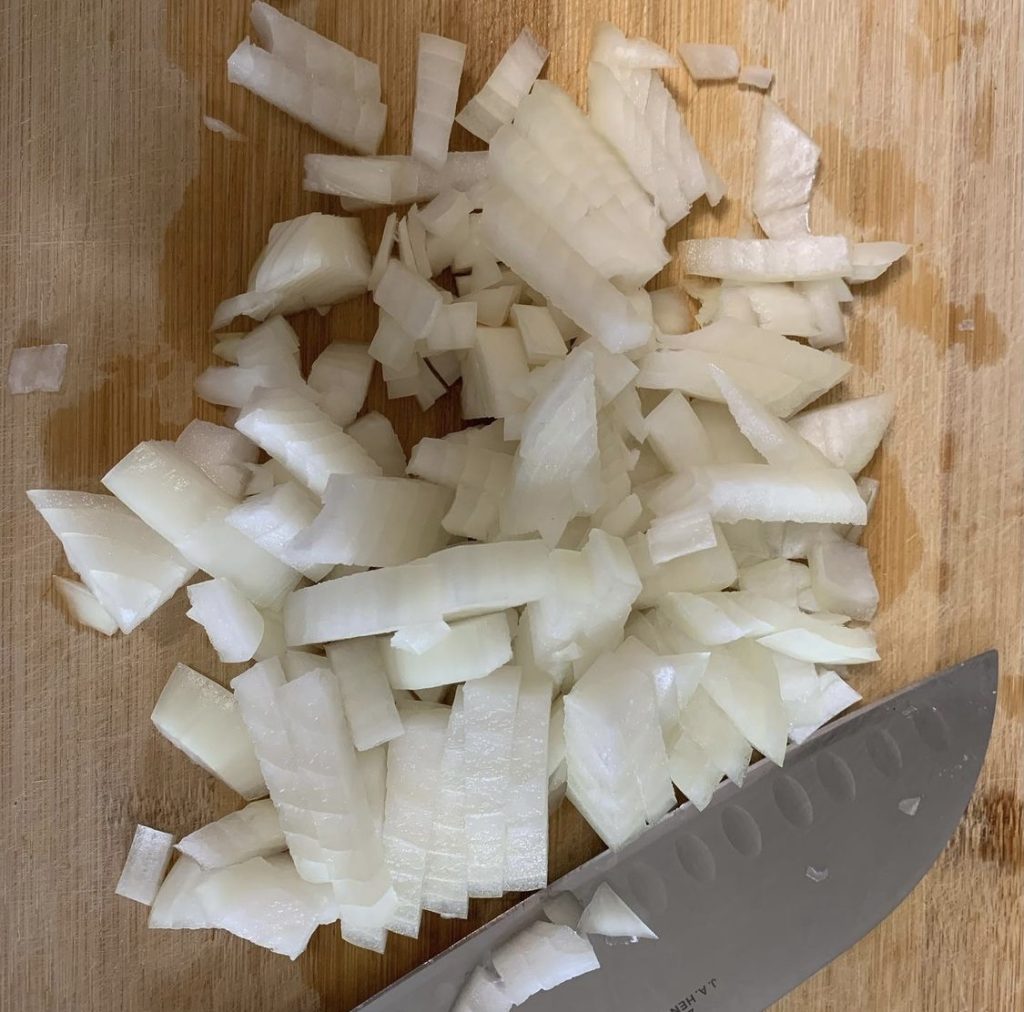
- 1 large onion, diced or thinly sliced
- Salt (Himalayan or sea salt), to taste
- 1 lemon, cut into wedges
Instructions
- Chop the dandelion leaves and stems into rough 2-inch pieces.
- Bring a large pot of water to a boil and add the greens. Boil for 20–25 minutes, until fully softened.
- While the greens boil, heat a tablespoon of olive oil in a pan over medium heat and add the onion. Sauté, stirring occasionally, until deeply caramelized and golden brown, 15–20 minutes.
- Once the greens are done boiling, drain and let cool slightly. Working in small batches, squeeze out as much liquid as possible with your hands.
- Add the remaining olive oil to a clean pan over medium heat, add the squeezed dandelion greens, and sauté for 2–3 minutes.
- Add the caramelized onions to the pan and mix well; cook together for another minute, until combined and heated through.
- Transfer to a plate, squeeze fresh lemon juice on top, and season with salt.
- Serve warm with whole wheat pita bread as an appetizer or side dish.
Notes: Leftover hindbeh keeps well in the fridge for 3–4 days and reheats nicely in a pan with a splash of olive oil. It’s also delicious cold, straight from the fridge, the next day.
Tips to Reduce the Bitterness
- Use younger, smaller leaves — they’re naturally milder than large, mature ones.
- Boil before sautéing rather than sautéing raw greens directly; a full boil pulls out more of the bitter compounds than a quick blanch.
- Add acid. A squeeze of lemon juice at the end brightens the dish and balances bitterness.
- Pair with fat and caramelized alliums. Olive oil and deeply cooked onion or garlic round out sharp edges in the flavor.
- Don’t skip the salt. It’s not just seasoning salt genuinely tempers perceived bitterness.
Ways to Use Cooked Dandelion Greens
Once you’ve cooked a batch, you’re not limited to serving them on their own:
- Stir into rice or risotto just before it finishes cooking, topped with grated Parmesan.
- Fold into a frittata with beaten eggs for a quick, greens-packed breakfast.
- Layer into a sandwich with mozzarella and leftover roasted chicken or meatballs.
- Top a pizza alongside smoked mozzarella and a little spicy sausage.
- Serve alongside a fresh-pressed green juice for a fuller nutrient boost if you’re building out a greens-forward routine, our cold-pressed juices and juice cleanses are a convenient way to round things out on busy days.
Frequently Asked Questions
Do you have to boil dandelion greens before eating them? No, young and tender leaves can be eaten raw in a salad. But boiling or blanching significantly reduces bitterness and softens the texture, which is why most cooked preparations start there.
What does dandelion taste like? Earthy and peppery, with a bitterness similar to arugula or chicory, but more pronounced especially in larger, more mature leaves.
Can you eat the whole dandelion plant? Yes – leaves, flowers, and roots are all edible. This recipe focuses on the leaves and stems, which are the most commonly available part in grocery stores.
Are dandelion greens the same as chicory? They’re closely related (both are in the aster/chicory family) and can generally be substituted for one another in recipes, though flavor intensity can vary slightly between the two.
How do I store fresh dandelion greens? Keep them unwashed in a plastic bag in the refrigerator’s crisper drawer, similar to how you’d store kale or spinach, and use within 4–5 days for best flavor.