What is Sea Moss? 5 Benefits You Didn’t Know About

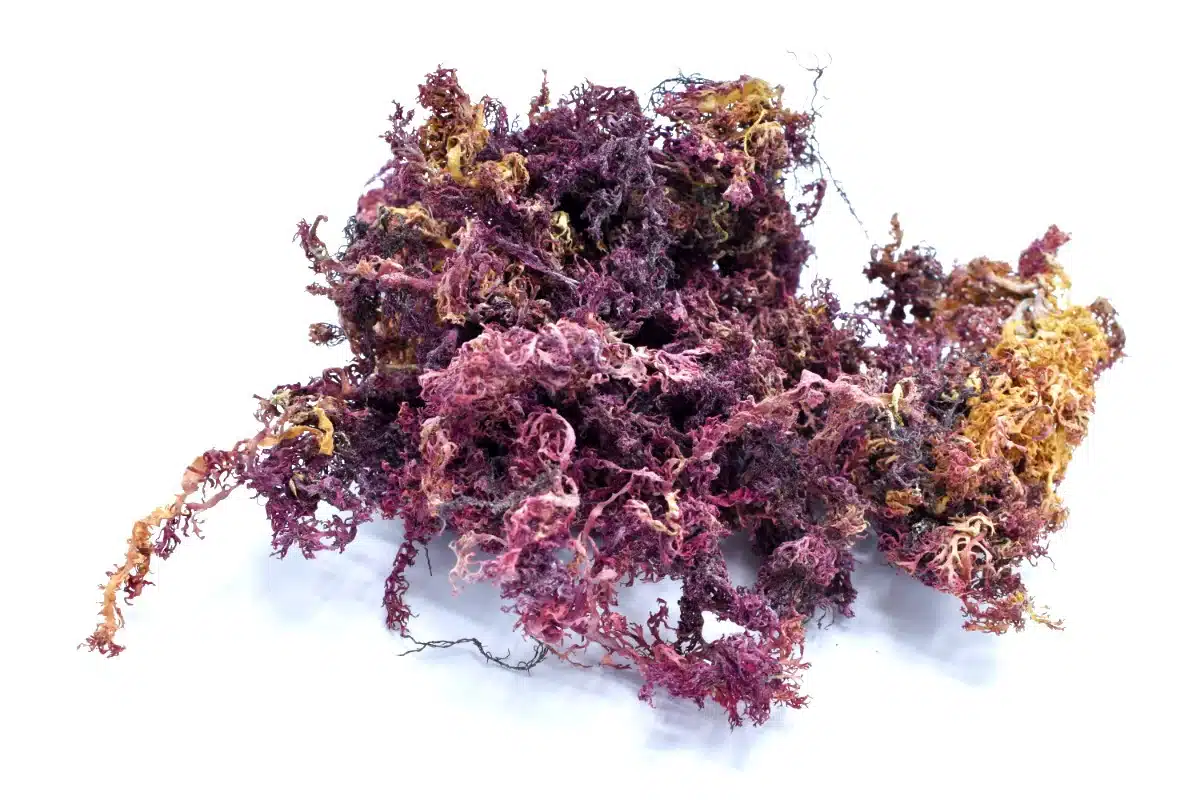
purple sea moss

Sea Moss Explained

Sea moss is also known as Irish moss. This is a type of red algae that grows along the rocky Atlantic coastlines of Europe and North America. Historically, it has been used as food and as a natural thickener. In recent years, it has become a wellness favourite and a new health craze

Here are five research-backed benefits of sea moss you may not know, plus how Green Press Sea Moss Gel makes it easy to add to your routine.

1. Sea moss Supports a Healthy Gut

Sea moss gel is naturally rich in prebiotics that help nourish the good bacteria in your gut. It also provides fiber, which supports healthy digestion and keeps your gut microbiome balanced. Most of the research so far has been done in animals, but early results are promising.

What Are Prebiotics and Why Do They Matter?

Prebiotics are a special type of fiber that serve as food for the beneficial bacteria living in your gut (also known as probiotics). When these bacteria are well-fed, they thrive — and a healthy gut is linked to better digestion, improved nutrient absorption, and even stronger immune function.

Fiber and Prebiotics:
Sea moss is naturally rich in fiber and prebiotics, which help increase the population of good bacteria in your gut.

Balanced Gut Microbiome:
When these good bacteria are supported, they help keep harmful bacteria in check, leading to a more balanced and resilient gut environment.

Gut Lining Support:
Compounds in sea moss may also support production of mucin, a protective layer that keeps the gut lining strong and healthy.

2. Natural Anti-Inflammatory Properties & Skin Health

Sea moss contains antioxidants that have been shown in lab studies to reduce inflammation and help regulate immune pathways. Early research even suggests potential antiviral activity. These same antioxidants may also support skin health by protecting skin cells from oxidative stress, helping maintain a healthy skin barrier, and keeping the skin looking hydrated and resilient.

Incorporating sea moss into your diet may help lower oxidative stress when paired with a nutrient-rich lifestyle. Sea moss may offer additional skin benefits like hydration, reduce acne and redness, support wound healing on skin, and overall improved skin appearance.

3. A Natural Source of Iodine for Thyroid Health

Iodine is essential for producing thyroid hormones that regulate energy and metabolism. Sea moss is naturally high in iodine and other trace minerals, which may help prevent deficiency.

Because iodine content varies depending on where sea moss is harvested, sourcing and testing are important. At Green Press, we use carefully selected, clean-harvested sea moss and ensure batch consistency for your peace of mind.

4. Supports Recovery and Active Lifestyles

Sea moss provides amino acids like taurine and minerals such as magnesium and potassium, which may help support muscle recovery after exercise. It is not a substitute for protein or proper recovery habits but can be a great complement to a post-workout smoothie or shake.

5. Delivers Minerals and Gentle Hydration

Sea moss contains calcium, zinc, iron, and other essential minerals that play a role in hydration and cellular function. When made into a gel, the texture may also help slow digestion slightly, allowing for better mineral absorption and hydration support.

Please note: People with thyroid disorders should consult their healthcare provider before adding it to their diet.

Why Choose Green Press Sea Moss Gel

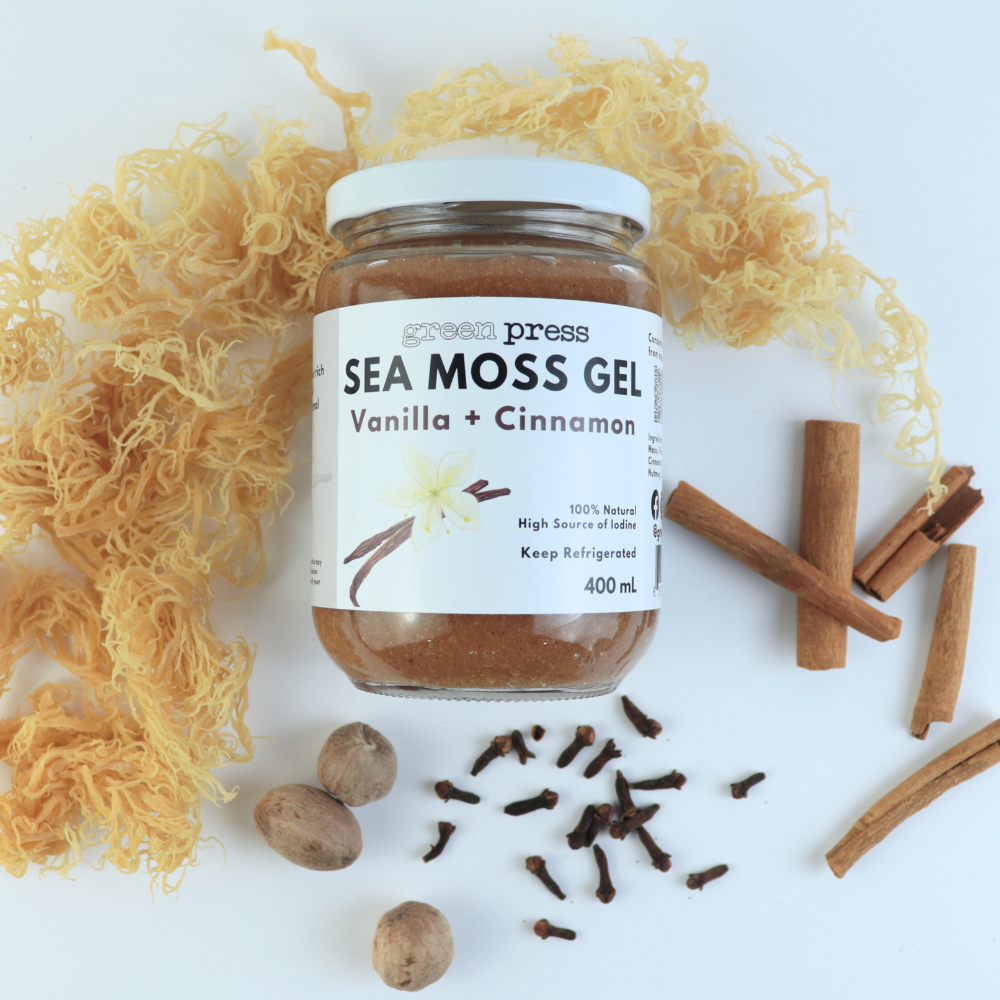
Green Press Sea Moss Gel is made from wildcrafted sea moss, blended to a smooth consistency with purified water, and mixed with organic high quality ingredients to bring you 4 different flavours to choose from. Our sea moss is sourced directly from St. Lucia, is lab tested for heavy metals and made fresh into gels daily.

Add one to two tablespoons daily for a simple way to boost your wellness routine.

References

  1. An Overview to the Health Benefits of Seaweeds – PMC NCBI
  2. Cleveland Clinic – Sea Moss Benefits
  3. National Geographic – Sea Moss Health Trend
  4. Rupa Health – Evidence Behind Eating Sea Moss
  5. WebMD – Sea Moss Benefits & Risks
  6. Health.com – Sea Moss Gel Review
  7. OPSS – Sea Moss in Dietary Supplements
  8. News-Medical – Sea Moss Research Overview
  9. USDA – Safe Harbor for Sea Moss Beverage Producers

What are the Benefits of Sea Moss

Sea moss, also known as Irish moss, has become a popular superfood in recent years. This nutrient-dense seaweed is loaded with essential vitamins, minerals, and antioxidants that contribute to overall health. While sea moss has been used in traditional medicine for centuries, modern science is now uncovering its impressive range of health benefits.

Here are some of the scientifically backed benefits of sea moss:

1. Supports Immune Health

Sea moss is rich in vitamin Cvitamin A, and antioxidants, which are crucial for supporting a healthy immune system. Vitamin C, in particular, is known to enhance the production of white blood cells, which help fight off infections and diseases. Additionally, sea moss contains antiviral and antimicrobial properties that may help protect the body from pathogens.

Scientific Evidence:
A study published in the Journal of Applied Phycology highlighted that the polysaccharides in sea moss have significant antimicrobial properties, potentially helping to fight bacterial and viral infections.

2. Promotes Digestive Health

Sea moss is an excellent source of prebiotics, which are compounds that feed beneficial gut bacteria. The high fiber content in sea moss supports a healthy digestive system by promoting regular bowel movements and preventing constipation. Furthermore, sea moss contains alginate, a substance that may help soothe and heal the gut lining.

Scientific Evidence:
A study in the Journal of Food Science found that sea moss, particularly its high fiber content, can aid in gut microbiota balance, which is essential for optimal digestion and gut health.

3. Rich in Essential Minerals

Sea moss is known for its high mineral content, providing over 90 essential minerals that the human body needs for various physiological functions. These include iodinemagnesiumcalciumiron, and zinc.

  • Iodine plays a key role in thyroid function, helping regulate metabolism.
  • Magnesium supports muscle and nerve function, as well as heart health.
  • Calcium is essential for maintaining strong bones and teeth.

Scientific Evidence:
Sea moss is often referred to as a natural mineral supplement due to its rich mineral profile. According to a study published in the Journal of Marine Drugs, sea moss contains a diverse array of minerals that can support a variety of bodily functions.

4. Boosts Skin Health

The nutrients found in sea moss, such as zinc and vitamin A, are essential for maintaining healthy skin. Zinc has anti-inflammatory properties that may help reduce acne, while vitamin A supports the production of healthy skin cells and promotes collagen formation.

Additionally, sea moss is often used in skincare products for its moisturizing and soothing properties. It can help hydrate the skin, reduce redness, and alleviate conditions like eczema and psoriasis.

Scientific Evidence:
A study published in the Journal of Cosmetic Dermatology found that zinc and other minerals in sea moss can help manage skin conditions like acne and eczema, improving overall skin health.

5. Supports Weight Loss and Metabolism

Sea moss is low in calories but high in fiber, making it an ideal food for anyone looking to support weight management. Its fiber content helps to promote feelings of fullness, reducing overall calorie intake. Additionally, the iodine in sea moss helps regulate thyroid function, which is directly linked to metabolism and fat-burning processes.

Scientific Evidence:
Research has shown that iodine plays a vital role in maintaining a healthy thyroid, which in turn supports healthy metabolism. A study published in Thyroid Research emphasizes the importance of iodine in thyroid hormone production, crucial for metabolic regulation.

6. Supports Heart Health

Sea moss contains omega-3 fatty acids, which are known for their heart-protective effects. These healthy fats help reduce inflammation, lower cholesterol levels, and improve overall cardiovascular health. Sea moss also contains potassium, which can help lower blood pressure and reduce the risk of heart disease.

Scientific Evidence:
A study published in the International Journal of Molecular Sciences examined the heart-health benefits of omega-3 fatty acids, highlighting their role in lowering triglycerides and reducing inflammation in the body.

Sea moss is a powerhouse of nutrients with a range of health benefits that are supported by science. Whether you’re looking to boost immunity, improve digestion, support your skin, or enhance heart health, sea moss is an excellent addition to your wellness routine. As with any supplement, it’s important to consult with a healthcare provider before introducing new products into your diet, especially if you have underlying health conditions.

How to Consume Sea Moss

Sea moss can be consumed in various ways, making it easy to incorporate into your daily routine. Here are some of the most popular methods:

  1. Sea Moss Gel
    Sea moss gel is the most common and versatile way to consume sea moss. It’s easy to add to smoothies, teas, or even water for a nutrient boost. Simply add 1-2 tablespoons of sea moss gel to your drink or meal. It has a mild taste, so it blends well with other ingredients.
  2. Smoothies and Juices
    You can add sea moss gel to your favorite smoothie or juice for an extra boost of vitamins and minerals. Simply blend 1-2 tablespoons of sea moss gel with fruits, vegetables, and other superfoods for a nourishing drink.
  3. Soups and Stews
    Add sea moss gel to soups, stews, or broths as a thickening agent while enhancing the nutritional value. Its neutral taste won’t overpower your dishes.
  4. Baking and Cooking
    You can incorporate sea moss gel into your baked goods like breads, muffins, or cookies, or stir it into sauces and dressings. It adds nutrients without changing the flavor of your food.
  5. Topical Use for Skin
    Sea moss gel is also used in skincare. You can apply it directly to the skin as a hydrating face mask or moisturizer, thanks to its soothing properties.

How to Make Sea Moss Gel

Making your own sea moss gel at home is simple, and it allows you to control the quality and purity of the product. Here’s a step-by-step guide on how to make sea moss gel from dried sea moss:

Ingredients:

  • 1-2 cups of dried sea moss (depending on how much gel you want to make)
  • Spring water (enough to soak the sea moss)
  • Blender (for blending the sea moss into gel)

Instructions:

  1. Rinse the Sea Moss
    First, thoroughly rinse the dried sea moss to remove any sand, debris, or salt. You can soak it in water for 10-15 minutes and then rinse it again.
  2. Soak the Sea Moss
    Place the rinsed sea moss in a bowl and cover it with spring water. Allow it to soak for 12-24 hours to rehydrate. This process softens the sea moss, making it easier to blend into a smooth gel.
  3. Blend the Sea Moss
    After soaking, drain the water from the sea moss and transfer it into a blender. Add fresh spring water (enough to cover the sea moss) and blend until smooth. The consistency should be thick and creamy. If it’s too thick, add a little more water until you reach your desired consistency.
  4. Store the Gel
    Transfer the sea moss gel into an airtight container and store it in the refrigerator. You can also store it in the freezer for longer storage.

Tips:

  • For added flavour or nutrients, you can infuse the sea moss gel with ingredients like lemon juiceginger, or citrus before blending.
  • You can adjust the thickness of the gel by adding more or less water based on your preference.

Now you’re ready to add this nutrient-rich gel to your daily routine! Check out some of our Sea Moss Gel Flavours that include Vanilla + Cinnamon, Blue Lemonade, Original, and Acai + Maqui.

Sources:

WebMD. (2023, June 10). Health benefits of sea moss. WebMDhttps://www.webmd.com/diet/health-benefits-sea-moss

Trowell, H., & White, A. M. (1941). The chemical composition of some foodstuffs. Journal of the Science of Food and Agriculture, 2(2), 97–100. https://doi.org/10.1111/j.1365-2621.1941.tb16304.x

Healthline. (2023, June 7). Sea moss: Benefits, nutrition, and how to use it. Healthline. https://www.healthline.com/nutrition/seamoss

Cleveland Clinic. (2023, March 14). Sea moss benefits: Why you should add this superfood to your diet. Cleveland Clinic. https://health.clevelandclinic.org/sea-moss-benefits